Betaine HCl
Betaine HCl research profile covering evidence quality, proposed mechanisms, safety considerations, regulatory status, and linked primary sources.
Evidence-led profile
Research snapshot
- Evidence stage
- Emerging research
- References
- 3 linked sources
- Research coverage
- 1 area
- Editorial review
- Mar 8, 2026
Published by the PepGuide Editorial Team using our research methodology.
Overview
Betaine hydrochloride (betaine HCl) is a compound consisting of betaine (trimethylglycine) bound to a hydrochloride molecule. It is primarily marketed and used as a supplemental source of hydrochloric acid intended to support digestive function in individuals with suspected hypochlorhydria — a condition characterized by insufficient gastric acid production. Upon ingestion, betaine HCl dissociates in the stomach, releasing hydrochloric acid and free betaine into the gastric environment.
Adequate stomach acid is essential for the activation of pepsinogen to pepsin, the denaturation of dietary proteins, the absorption of minerals such as iron, calcium, and zinc, and the maintenance of a gastric barrier against ingested pathogens. Hypochlorhydria may be associated with aging, chronic use of proton pump inhibitors, autoimmune gastritis, and Helicobacter pylori infection. Betaine HCl supplementation is used empirically by some practitioners to address symptoms such as bloating, indigestion, and nutrient malabsorption attributed to low stomach acid.
It is important to distinguish betaine HCl from betaine anhydrous (trimethylglycine), which serves as an osmolyte and methyl donor involved in the conversion of homocysteine to methionine via betaine-homocysteine methyltransferase. Betaine HCl is typically taken in capsule form with protein-rich meals, and its use is generally contraindicated in individuals with active peptic ulcers, gastritis, or those taking nonsteroidal anti-inflammatory drugs. Clinical evidence supporting its efficacy remains limited, and a healthcare provider should be consulted before use.
Mechanism of Action
Gastric Acid Supplementation
Betaine hydrochloride (betaine HCl) dissociates in the gastric environment to release hydrochloric acid (HCl) and free betaine (trimethylglycine). The supplemental HCl directly increases gastric acidity, lowering stomach pH into the optimal range (1.5-3.0) required for activation of pepsinogen to pepsin, the principal gastric protease. Adequate gastric acid is essential for protein denaturation, mineral solubilization (calcium, iron, zinc, magnesium), and vitamin B12 liberation from food-bound proteins (PMID: 24789812).
Pepsin Activation & Protein Digestion
Pepsinogen, secreted by gastric chief cells, requires a pH below 5.0 for autocatalytic cleavage of its 44-amino-acid prosegment, generating active pepsin. Pepsin exhibits maximal proteolytic activity at pH 1.5-2.5, cleaving peptide bonds preferentially adjacent to hydrophobic residues (Phe, Tyr, Leu). By restoring low gastric pH, betaine HCl ensures efficient pepsin-mediated protein digestion, reducing the burden on pancreatic proteases downstream (PMID: 16246942).
Betaine as Methyl Donor — Homocysteine Metabolism
The betaine moiety (trimethylglycine) serves as an osmolyte and a critical methyl donor in the liver and kidney. Betaine-homocysteine methyltransferase (BHMT) transfers a methyl group from betaine to homocysteine, generating methionine and dimethylglycine. This reaction operates parallel to the folate/B12-dependent methionine synthase pathway and is the primary route for homocysteine remethylation in hepatocytes. Elevated homocysteine is a cardiovascular risk factor, and betaine supplementation reduces plasma homocysteine levels (PMID: 15956291).
SAM Cycle Support
By regenerating methionine, betaine sustains the S-adenosylmethionine (SAM) pool — the universal methyl donor for over 200 methyltransferase reactions including DNA methylation (epigenetic regulation), creatine synthesis, phosphatidylcholine biosynthesis, and catecholamine metabolism (PMID: 16024912).
Osmoprotective Function
Betaine accumulates in renal medullary cells as a compatible osmolyte, protecting cellular proteins and enzymes from the denaturing effects of high urea and NaCl concentrations in the renal interstitium.
Research
Reported Effects
Individual Response:: Effectiveness varies significantly based on whether true hypochlorhydria exists; not beneficial for those with normal or high acid levels. Meal Composition:: Works best with protein-heavy meals; less noticeable effects with carbohydrate or fat-dominant meals. Timing Critical:: Must be taken with meals (typically mid-meal) for proper effect; timing too early or late reduces effectiveness. Dose Titration Required:: Requires careful dose adjustment starting low and increasing until warmth sensation occurs, then backing off one capsule
- Effectiveness varies significantly based on whether true hypochlorhydria exists; not beneficial for those with normal or high acid levels
- Works best with protein-heavy meals; less noticeable effects with carbohydrate or fat-dominant meals
- Must be taken with meals (typically mid-meal) for proper effect; timing too early or late reduces effectiveness
- Requires careful dose adjustment starting low and increasing until warmth sensation occurs, then backing off one capsule
Safety and Limitations
Safety Profile: Betaine HCl
Common Side Effects
- Heartburn or acid reflux exacerbation (~10-15% of users, particularly at higher doses)
- Nausea and stomach burning sensation
- Diarrhea or loose stools
- Unpleasant sulfurous body odor or fishy smell (trimethylamine accumulation)
- Bloating and gas
Serious Adverse Effects
- Gastric ulcer formation or exacerbation with prolonged high-dose use
- Esophageal irritation or damage if capsules dissolve prematurely
- Metabolic acidosis (rare, primarily in renal impairment)
- GI hemorrhage in patients with pre-existing ulcers or erosive gastritis
Contraindications
- Active peptic ulcer disease or gastric/duodenal ulcers
- Gastroesophageal reflux disease (GERD) -- may worsen symptoms
- H. pylori infection (increased gastric acid may worsen mucosal damage)
- Zollinger-Ellison syndrome or other hypersecretory conditions
- History of Barrett's esophagus
- Concurrent NSAID use with history of GI bleeding
Drug Interactions
- Proton pump inhibitors (omeprazole, pantoprazole): Directly counteracts their acid-suppressing mechanism; avoid concurrent use
- H2 blockers (ranitidine, famotidine): Pharmacological antagonism; concurrent use is counterproductive
- NSAIDs (ibuprofen, aspirin): Increased risk of GI irritation and ulceration
- Iron supplements: Betaine HCl may enhance iron absorption (potentially beneficial but monitor for iron overload)
- Bisphosphonates (alendronate): May increase GI irritation; separate dosing
- Antacids: Neutralizes supplemental acid; avoid concurrent administration
Population-Specific Considerations
- Pregnancy/Lactation: Betaine (trimethylglycine) is generally safe, but HCl form lacks safety data; consult physician
- Pediatric: Not recommended for children; risk of GI damage
- Elderly: Use with caution; increased prevalence of atrophic gastritis may make it appropriate in some cases but ulcer risk is higher
- Renal impairment: Monitor acid-base balance; risk of metabolic acidosis
- H. pylori positive: Contraindicated until infection is eradicated
Common Side Effects
- Burning Sensation:: Warmth or mild burning indicates excessive dose; used as a signal to reduce amount
- Gastric Irritation:: Can cause stomach upset or discomfort if taken on empty stomach or in excessive amounts
- Contraindications:: Should not be used with peptic ulcers, gastritis, or while taking NSAIDs/aspirin regularly
- Enamel Concerns:: Potential for tooth enamel erosion if capsules break open in mouth; swallow whole with water
Research protocol summary
- Typical Dose
- Most users find 1-3 capsules (650-1950mg) per protein-containing meal to be effective
These values summarize cataloged research protocols. They are not personal dosing instructions or medical guidance.
Reconstitution Calculator
Pharmacokinetic Profile
Betaine HCl — Pharmacokinetic Curve
SubcutaneousMolecular Structure
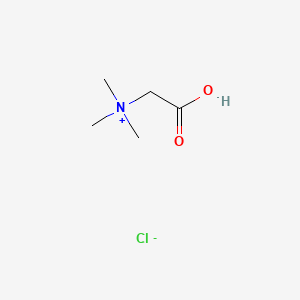
- Formula
- C5H12ClNO2
- Weight
- 153.61 Da
- PubChem CID
- 11545
- Exact Mass
- 153.0557 Da
- TPSA
- 37.3 Ų
- H-Bond Donors
- 1
- H-Bond Acceptors
- 3
- Rotatable Bonds
- 2
- Complexity
- 93
Identifiers (SMILES, InChI)
InChI=1S/C5H11NO2.ClH/c1-6(2,3)4-5(7)8;/h4H2,1-3H3;1H
HOPSCVCBEOCPJZ-UHFFFAOYSA-NReferences (3)
- [1]Meal-Time Supplementation with Betaine HCl for Functional Hypochlorhydria: What is the Evidence?
→ Review examining the rationale and evidence for betaine HCl supplementation in functional hypochlorhydria, discussing its role in supporting digestion and absorption of macronutrients and micronutrients when stomach acid production is inadequate.
- [2]Gastric Re-acidification with Betaine HCl in Healthy Volunteers with Rabeprazole-Induced Hypochlorhydria
→ Clinical study demonstrating that betaine HCl can effectively lower gastric pH and restore acidic conditions in subjects with drug-induced hypochlorhydria, supporting its use as a re-acidification strategy.
- [3]Beneficial Effects of Betaine: A Comprehensive Review
→ Comprehensive review of betaine's multiple beneficial effects including its role in methylation, liver health, cardiovascular protection, and metabolic regulation, highlighting its broader physiological importance beyond gastric acidification.
Continue researching Betaine HCl
Keep scientific evidence separate from commercial availability. Review how claims are evaluated, explore question-led research paths, or inspect disclosed source records without changing the editorial conclusions on this page.