Cordycepin
Cordycepin is a bioactive nucleoside analog derived from Cordyceps mushrooms, studied for its anti-inflammatory, antioxidant, and potential anti-tumor properties.
Evidence-led profile
Research snapshot
- Evidence stage
- Emerging research
- References
- 4 linked sources
- Research coverage
- 1 area
- Editorial review
- Mar 8, 2026
Published by the PepGuide Editorial Team using our research methodology.
Overview
Cordycepin (3'-deoxyadenosine) is a naturally occurring adenosine analog first isolated from the fungus Cordyceps militaris. It has gained significant attention in biomedical research due to its broad spectrum of biological activities, including anti-inflammatory, antioxidant, anti-tumor, and immunomodulatory effects. Cordycepin exerts many of its effects through interference with RNA synthesis and modulation of adenosine receptor signaling pathways.
Research has demonstrated that cordycepin can inhibit the mTOR pathway and activate AMPK, contributing to its anti-proliferative and metabolic regulatory effects. It has also shown promise in reducing chronic inflammation by suppressing NF-κB signaling, making it a compound of interest for conditions involving systemic inflammation.
Cordycepin is commonly consumed as part of Cordyceps mushroom supplements, though purified forms are also available. Its bioavailability can be limited by rapid deamination by adenosine deaminase, and research continues into formulation strategies to improve its pharmacokinetic profile for therapeutic applications.
Research
Reported Effects
Exercise Performance:: Demonstrated significant improvements in exercise endurance, glycogen restoration, and reduction of fatigue biomarkers in animal studies. Metabolic Regulation:: Shows therapeutic potential for hyperlipidemia and glucose metabolism disorders through multiple molecular mechanisms. Stress Response:: Exhibits antidepressant-like effects in chronic stress models, suggesting mood-regulating properties. Bioavailability Concerns:: Research indicates strategies to enhance bioavailability may be necessary for optimal therapeutic effects
Safety and Limitations
Safety Profile: Cordycepin
Overview Cordycepin (3'-deoxyadenosine) is a bioactive nucleoside analog derived from Cordyceps mushroom species, primarily Cordyceps militaris. It has been studied for anti-inflammatory, anti-tumor, and immunomodulatory properties. Clinical safety data in humans is limited compared to its extensive preclinical profile, and most human safety information comes from Cordyceps mushroom extract studies rather than isolated cordycepin.
Common Side Effects
- Mild gastrointestinal discomfort including nausea, bloating, and diarrhea
- Dry mouth and throat irritation
- Mild headache and dizziness
- Insomnia or restlessness, particularly with evening dosing due to potential stimulatory effects
- Mild skin reactions in sensitive individuals
Serious Adverse Effects
- Limited human safety data for isolated cordycepin at high doses
- As a nucleoside analog, theoretical concerns exist regarding interference with DNA/RNA synthesis at high concentrations
- Animal studies at very high doses have shown potential hematologic effects
- Potential immunosuppressive effects at high doses, contrasting with immunostimulatory effects at lower doses (biphasic response)
- No documented cases of organ toxicity in published human trials of Cordyceps extracts
Contraindications
- Known hypersensitivity to Cordyceps species or mushroom products
- Active bleeding disorders (Cordyceps may inhibit platelet aggregation)
- Pregnancy and breastfeeding (insufficient safety data for isolated cordycepin)
- Pre-surgical patients (discontinue 2 weeks before surgery due to anticoagulant potential)
- Autoimmune conditions where immune modulation could be detrimental
Drug Interactions
- Anticoagulants and antiplatelet drugs (warfarin, heparin, clopidogrel): cordycepin may have additive blood-thinning effects through adenosine receptor modulation
- Immunosuppressants (cyclosporine, tacrolimus): unpredictable interaction due to biphasic immune effects
- Adenosine-pathway medications: cordycepin is structurally similar to adenosine and may interact with adenosine receptor agonists or antagonists (dipyridamole, theophylline)
- Antidiabetic medications: may enhance hypoglycemic effects
- Cytochrome P450 substrates: limited data on CYP enzyme interactions
Special Populations
- Elderly patients should start with lower doses of Cordyceps extracts
- Diabetic patients should monitor blood glucose more frequently when initiating supplementation
- Immunocompromised individuals should consult healthcare providers before use
Dosage Considerations
- Cordyceps extract: typically 1-3 g/day of standardized extract
- Isolated cordycepin: no established standard human dose; research doses vary widely
- Bioavailability is limited due to rapid deamination by adenosine deaminase in vivo
Common Side Effects
- Limited Human Data:: Most safety data comes from animal studies; comprehensive human side effect profiles are not well-established
- Adenosine-Related Effects:: As an adenosine analog, potential effects on cardiovascular and nervous system should be considered
- Metabolic Impact:: Blood sugar and lipid-regulating effects require monitoring in those with metabolic conditions
- General Tolerance:: Research suggests good tolerance in animal models, but long-term human safety data is limited
Mechanism of Action
3'-Deoxyadenosine — Adenosine Analog Pharmacology
Cordycepin (3'-deoxyadenosine) is a nucleoside analog produced by Cordyceps militaris in which the 3'-hydroxyl group of the ribose sugar in adenosine is replaced by hydrogen. This structural modification has profound biochemical consequences: cordycepin is phosphorylated by adenosine kinase to cordycepin 5'-triphosphate, which is incorporated into nascent RNA chains by RNA polymerases but causes chain termination due to the absence of the 3'-OH group required for phosphodiester bond formation with the next incoming nucleotide. This mechanism inhibits mRNA polyadenylation and RNA synthesis, particularly affecting rapidly dividing cells (PMID: 20232529).
AMPK Activation & Metabolic Regulation
Cordycepin activates AMP-activated protein kinase (AMPK) through a dual mechanism: (1) direct binding to the AMPK gamma subunit adenine nucleotide-binding sites (as cordycepin monophosphate mimics AMP), and (2) increasing the cellular AMP/ATP ratio by inhibiting the mitochondrial electron transport chain at Complex I. AMPK activation phosphorylates acetyl-CoA carboxylase (ACC), suppressing de novo lipogenesis, activates ULK1-mediated autophagy, and inhibits mTORC1 signaling through TSC2 phosphorylation, reducing protein synthesis in cancer cells (PMID: 23818247).
Anti-Inflammatory — NF-kB & Polyadenylation Inhibition
Cordycepin suppresses NF-kB activation by inhibiting IKKbeta phosphorylation and IkBalpha degradation in LPS-stimulated macrophages, reducing TNF-alpha, IL-1beta, IL-6, and iNOS expression. The inhibition of mRNA polyadenylation preferentially affects short-lived inflammatory transcripts (TNF-alpha, COX-2) that require rapid turnover and de novo synthesis, providing selective anti-inflammatory activity (PMID: 21182886).
Adenosine Receptor Interactions
Cordycepin acts as a partial agonist at A3 adenosine receptors, activating Gi-coupled inhibition of adenylyl cyclase and modulating mast cell degranulation, neutrophil chemotaxis, and eosinophil activation through purinergic signaling (PMID: 20959131).
Molecular Structure
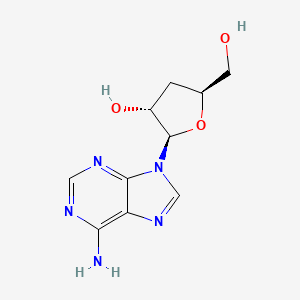
- Formula
- C10H13N5O3
- Weight
- 251.24 Da
- PubChem CID
- 6303
- Exact Mass
- 251.1018 Da
- LogP
- -1.2
- TPSA
- 119 Ų
- H-Bond Donors
- 3
- H-Bond Acceptors
- 7
- Rotatable Bonds
- 2
- Complexity
- 307
Identifiers (SMILES, InChI)
InChI=1S/C10H13N5O3/c11-8-7-9(13-3-12-8)15(4-14-7)10-6(17)1-5(2-16)18-10/h3-6,10,16-17H,1-2H2,(H2,11,12,13)/t5-,6+,10+/m0/s1
OFEZSBMBBKLLBJ-BAJZRUMYSA-NReferences (4)
- [1]Cordycepin combined with antioxidant effects improves fatigue caused by excessive exercise
→ Cordycepin enhanced exercise endurance, increased liver and muscle glycogen content, decreased fatigue metabolites (lactic acid, creatine kinase), and improved learning/memory deficits from over-exercise by modulating the Keap1/Nrf2/HO-1 signaling pathway and BDNF expression.
- [2]Anti-inflammatory effects of cordycepin: A review
→ Comprehensive review demonstrating cordycepin's anti-inflammatory properties through multiple mechanisms including modulation of NF-κB, MAPK pathways, and cytokine production, with therapeutic potential for inflammatory diseases.
- [4]Structural and pharmacological insights into cordycepin for neoplasms and metabolic disorders
→ Review highlighting cordycepin's significant therapeutic potential in alleviating hyperlipidemia, regulating glucose metabolism, and demonstrating anti-tumor effects through multiple mechanisms including apoptosis induction and immune modulation.
- [3]Antidepressant-like effects of cordycepin in a mice model of chronic unpredictable mild stress
→ Cordycepin demonstrated antidepressant-like effects in stress-induced animal models, suggesting potential mood-regulating and stress-response modulating properties.
Continue researching Cordycepin
Keep scientific evidence separate from commercial availability. Review how claims are evaluated, explore question-led research paths, or inspect disclosed source records without changing the editorial conclusions on this page.