P7C3
P7C3 research profile covering evidence quality, proposed mechanisms, safety considerations, regulatory status, and linked primary sources.
Evidence-led profile
Research snapshot
- Evidence stage
- Emerging research
- References
- 8 linked sources
- Research coverage
- 1 area
- Editorial review
- Mar 8, 2026
Published by the PepGuide Editorial Team using our research methodology.
Overview
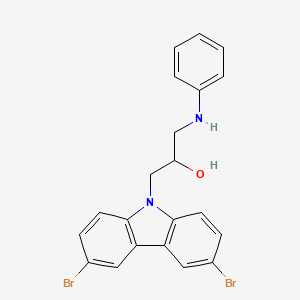
P7C3 (pool 7, compound 3) is a small-molecule aminopropyl carbazole identified through an unbiased in vivo phenotypic screen for compounds that enhance hippocampal neurogenesis in adult mice, conducted at the University of Texas Southwestern Medical Center. Unlike target-based drug discovery, this approach selected for compounds with demonstrated in vivo neurogenic activity regardless of mechanism, and P7C3 emerged as the most potent hit from a library of approximately 1,000 compounds. The discovery represented a significant advance in neuroprotective pharmacology, as P7C3 and its optimized analog P7C3-A20 demonstrated exceptional efficacy across a remarkably broad range of neurodegenerative and neuropsychiatric disease models, including Alzheimer's disease, Parkinson's disease, amyotrophic lateral sclerosis (ALS), traumatic brain injury, age-related cognitive decline, and depression.
The primary mechanism of P7C3's neuroprotective activity involves enhancement of nicotinamide phosphoribosyltransferase (NAMPT) — the rate-limiting enzyme in the NAD+ salvage pathway. By stabilizing and potentiating NAMPT activity, P7C3 maintains intracellular NAD+ levels under conditions of metabolic stress, preventing the bioenergetic crisis that triggers neuronal apoptosis. NAD+ is essential for mitochondrial oxidative phosphorylation, DNA repair (via PARP enzymes), sirtuin-mediated stress responses, and calcium homeostasis — all processes that become compromised during neurodegeneration. In hippocampal neurogenesis, P7C3 specifically protects newborn neurons during the critical period of integration (2–3 weeks post-mitosis) when approximately 70–80% of new neurons normally undergo programmed cell death. This pro-survival effect, combined with downstream enhancement of BDNF signaling and mitochondrial membrane stabilization, produces robust increases in functional neurogenesis. P7C3's activity thus complements that of BDNF-enhancing compounds like P21 and Semax, which stimulate neuronal birth, by ensuring the survival of newly generated neurons.
P7C3 and its analogs are administered orally and demonstrate good pharmacokinetic properties including blood-brain barrier penetration, oral bioavailability, and a favorable safety profile in preclinical testing. Research doses in rodent models typically range from 10–30 mg/kg. While P7C3 has not yet entered formal clinical trials, its mechanism through NMN/NAD+ pathway stabilization makes it conceptually synergistic with NAD+ precursors such as NMN or NR, as well as with direct neurotrophic agents like Dihexa. P7C3 remains a research tool compound with significant translational potential for neurodegenerative diseases characterized by impaired neurogenesis and NAD+ depletion.
Mechanism of Action
Mechanism of Action
P7C3 is an aminopropyl carbazole compound discovered through an in vivo screen for proneurogenic agents. Unlike many neurogenesis-enhancing compounds that stimulate progenitor proliferation, P7C3 acts primarily by protecting newborn neurons from programmed cell death.
NAD+ Biosynthesis Enhancement
The molecular target of P7C3 is nicotinamide phosphoribosyltransferase (NAMPT), the rate-limiting enzyme in the mammalian NAD+ salvage pathway. P7C3 binds to and enhances NAMPT activity, increasing the conversion of nicotinamide to nicotinamide mononucleotide (NMN) and subsequently to NAD+. Elevated NAD+ levels support sirtuin-dependent mitochondrial maintenance and cellular energy metabolism.
Mitochondrial Protection
Newborn neurons are exceptionally vulnerable to metabolic stress during the first 1-2 weeks after birth. P7C3 maintains mitochondrial membrane integrity by ensuring adequate NAD+ supply for Complex I of the electron transport chain. This prevents ΔΨm collapse, blocks mitochondrial permeability transition pore (mPTP) opening, and inhibits the release of pro-apoptotic factors including cytochrome c and apoptosis-inducing factor (AIF).
Neuroprotective Selectivity
P7C3 shows particular efficacy in protecting immature neurons in the hippocampal dentate gyrus during their vulnerable integration period. Under normal conditions, approximately 80% of newborn hippocampal neurons die via apoptosis. P7C3 dramatically reduces this attrition, resulting in a larger pool of mature, functional granule cells.
Therapeutic Breadth
The NAD+-dependent mechanism gives P7C3 broad neuroprotective properties beyond neurogenesis, including protection against traumatic brain injury, amyotrophic lateral sclerosis, and Parkinson's disease in preclinical models.
Research
Reported Effects
Disease Models:: Demonstrated efficacy across multiple animal models including Alzheimer's, Parkinson's, TBI, stroke, and peripheral neuropathy. Delayed Treatment:: Effective even when administered long after initial injury (up to one year post-TBI in studies). Blood-Brain Barrier:: Successfully penetrates BBB and achieves therapeutic concentrations in brain tissue. Functional Recovery:: Not just prevents decline but actually reverses existing pathology and restores lost function in animal studies
- Demonstrated efficacy across multiple animal models including Alzheimer's, Parkinson's, TBI, stroke, and peripheral neuropathy
- Effective even when administered long after initial injury (up to one year post-TBI in studies)
- Successfully penetrates BBB and achieves therapeutic concentrations in brain tissue
- Not just prevents decline but actually reverses existing pathology and restores lost function in animal studies
Safety and Limitations
P7C3 is an investigational neuroprotective compound with limited human clinical data. Preclinical studies suggest a favorable safety profile, but potential side effects and drug interactions in humans are not well characterized. It should be avoided during pregnancy and by individuals with liver impairment, and use should be supervised by a qualified healthcare professional.
Common Side Effects
- Limited Human Data:: Safety profile in humans not yet fully characterized as compound is still in research phase
- Animal Safety:: Generally well-tolerated in animal studies with no major adverse effects reported at therapeutic doses
- Long-term Effects:: Chronic dosing studies in animals show sustained benefits without evidence of tolerance or toxicity
- Drug Interactions:: Potential interactions with other NAD-modulating compounds or metabolic pathways not fully explored
Reconstitution Calculator
Pharmacokinetic Profile
Molecular Structure
- Formula
- C21H18Br2N2O
- Weight
- 474.2 Da
- PubChem CID
- 2836187
- Exact Mass
- 473.9765 Da
- LogP
- 5.7
- TPSA
- 37.2 Ų
- H-Bond Donors
- 2
- H-Bond Acceptors
- 2
- Rotatable Bonds
- 5
- Complexity
- 433
Identifiers (SMILES, InChI)
InChI=1S/C21H18Br2N2O/c22-14-6-8-20-18(10-14)19-11-15(23)7-9-21(19)25(20)13-17(26)12-24-16-4-2-1-3-5-16/h1-11,17,24,26H,12-13H2
FZHHRERIIVOATI-UHFFFAOYSA-NReferences (8)
- [2]Pharmacologic reversal of advanced Alzheimer's disease in mice and identification of potential therapeutic nodes in human brain
→ Demonstrated that P7C3-A20 treatment reversed advanced Alzheimer's pathology in mice by restoring NAD+ levels, achieving full neurological recovery including cognition restoration and neuroprotection.
- [3]P7C3-A20 treatment one year after TBI in mice repairs the blood-brain barrier, arrests chronic neurodegeneration, and restores cognition
→ Showed that P7C3-A20 administered even one year post-traumatic brain injury repaired the blood-brain barrier, halted ongoing neurodegeneration, and restored cognitive function in mice.
- [4]Pharmacological augmentation of nicotinamide phosphoribosyltransferase (NAMPT) protects against paclitaxel-induced peripheral neuropathy
→ Found that P7C3-A20 prevented chemotherapy-induced peripheral neuropathy by stimulating NAMPT activity, protecting peripheral sensory neurons without reducing anticancer drug efficacy.
- [5]Combined adult neurogenesis and BDNF mimic exercise effects on cognition in an Alzheimer's mouse model
→ Demonstrated that P7C3 combined with exercise-mimicking interventions enhanced hippocampal neurogenesis and improved cognitive function in Alzheimer's disease models.
- [6]Nampt activator P7C3 ameliorates diabetes and improves skeletal muscle function modulating cell metabolism and lipid mediators
→ Showed that P7C3 treatment improved insulin resistance, rescued diabetes, and enhanced skeletal muscle function through NAMPT activation and metabolic modulation in diabetic mice.
- [7]P7C3 suppresses astrocytic senescence to protect dopaminergic neurons: Implication in the mouse model of Parkinson's disease
→ Found that P7C3 protected dopaminergic neurons in Parkinson's models by suppressing astrocytic senescence and reducing neuroinflammation through NAMPT pathway activation.
- [8]Discovery of a proneurogenic, neuroprotective chemical
→ Original discovery paper showing P7C3 enhances neurogenesis in adult hippocampus by protecting newborn neurons from apoptosis, with benefits for cognitive function in aged animals.
- [1]P7C3 Neuroprotective Chemicals Function by Activating the Rate-limiting Enzyme in NAD Salvage
→ Identified that P7C3 compounds activate NAMPT to boost NAD+ levels, providing neuroprotection through enhanced cellular energy metabolism and prevention of neuronal death in various injury models.
Continue researching P7C3
Keep scientific evidence separate from commercial availability. Review how claims are evaluated, explore question-led research paths, or inspect disclosed source records without changing the editorial conclusions on this page.