MSM
MSM research profile covering evidence quality, proposed mechanisms, safety considerations, regulatory status, and linked primary sources.
Evidence-led profile
Research snapshot
- Evidence stage
- Emerging research
- References
- 7 linked sources
- Research coverage
- 1 area
- Editorial review
- Mar 8, 2026
Published by the PepGuide Editorial Team using our research methodology.
Overview
MSM (Methylsulfonylmethane, dimethyl sulfone) is an organosulfur compound with the formula (CH3)2SO2 that occurs naturally in small amounts in fruits, vegetables, grains, and human tissues. It is the oxidized metabolite of dimethyl sulfoxide (DMSO) and serves as one of the most bioavailable dietary sources of sulfur — an essential element required for the synthesis of methionine, cysteine, glutathione, taurine, and the glycosaminoglycans (chondroitin sulfate, keratan sulfate, heparan sulfate) that form the structural matrix of cartilage, tendons, and connective tissues. MSM's therapeutic effects are attributed to its role as a sulfur donor for these critical biosynthetic pathways, combined with direct anti-inflammatory and antioxidant activities.
The strongest clinical evidence for MSM is in osteoarthritis (OA) and joint health. Multiple randomized controlled trials and meta-analyses have demonstrated that MSM supplementation (typically 1.5–6 g/day) significantly reduces joint pain, stiffness, and physical function impairment in patients with knee osteoarthritis, with effect sizes comparable to or exceeding those of glucosamine and chondroitin sulfate. The proposed mechanisms include inhibition of NF-kB-mediated inflammatory signaling, reduction of pro-inflammatory cytokines (IL-1, IL-6, TNF-alpha), suppression of cyclooxygenase-2 (COX-2) expression, and decreased production of matrix metalloproteinases (MMPs) that degrade cartilage. MSM also demonstrates antioxidant activity through upregulation of glutathione synthesis — sulfur from MSM feeds into the transsulfuration pathway to support cysteine and subsequently glutathione production — and activation of the Nrf2/ARE antioxidant response element.
Beyond joint health, MSM has been studied for exercise recovery (reducing delayed-onset muscle soreness and markers of muscle damage), allergic rhinitis (improving nasal symptoms in seasonal allergies), skin health (improving skin elasticity, wrinkle depth, and complexion), and hair/nail growth. Typical supplemental doses range from 1–6 g daily, with some studies using up to 6 g for arthritis. MSM is exceptionally well tolerated, with a toxicity profile comparable to water (LD50 > 17.5 g/kg in rodents). Mild gastrointestinal effects (bloating, diarrhea) are the most commonly reported side effects. MSM pairs synergistically with glucosamine and chondroitin in comprehensive joint support formulations, and complements anti-inflammatory compounds like curcumin, boswellia, and topical menthol in pain management protocols.
Mechanism of Action
Bioavailable Sulfur Source
MSM (dimethyl sulfone, DMSO2) is a naturally occurring organosulfur compound found in small quantities in foods (fruits, vegetables, grains, milk) and is the primary metabolite of DMSO. MSM provides bioavailable sulfur that is incorporated into sulfur-containing amino acids (methionine and cysteine) through transsulfuration pathways. These amino acids are essential building blocks for structural proteins (collagen, keratin, elastin) and glycosaminoglycans (chondroitin sulfate, heparan sulfate, keratan sulfate) that comprise the extracellular matrix of cartilage, tendons, and synovial tissue.
NF-kB Inhibition & Anti-Inflammatory Signaling
MSM suppresses the NF-kB signaling pathway at multiple levels. It inhibits IkB kinase (IKK)-mediated phosphorylation of IkB-alpha, preventing its proteasomal degradation and subsequent NF-kB p65 nuclear translocation. This reduces transcription of inflammatory mediators including COX-2, iNOS, TNF-alpha, IL-1beta, IL-6, PGE2, and matrix metalloproteinases (MMP-1, MMP-3, MMP-13). In chondrocyte cultures, MSM attenuated IL-1beta-induced cartilage degradation by suppressing MMP expression and proteoglycan loss (PMID: 21708034).
Oxidative Stress & Glutathione Metabolism
MSM enhances the endogenous antioxidant system by increasing glutathione (GSH) levels. As a sulfur donor, MSM feeds into the transsulfuration pathway (homocysteine → cystathionine → cysteine), providing the rate-limiting cysteine substrate for glutathione synthetase. Elevated GSH improves the activity of glutathione peroxidase (GPx) and glutathione S-transferase (GST), reducing oxidative damage to lipids, proteins, and DNA in inflamed tissues (PMID: 28353428).
Exercise-Induced Muscle Damage
In clinical studies, MSM supplementation (1.5-3 g/day) reduced markers of exercise-induced muscle damage including creatine kinase, lactate dehydrogenase, and subjective pain scores. This is attributed to both antioxidant protection against exercise-induced ROS and suppression of the NLRP3 inflammasome/IL-1beta cascade in skeletal muscle.
Joint Health & Osteoarthritis
In osteoarthritis, MSM reduces synovial inflammation, supports glycosaminoglycan synthesis for cartilage repair, and improves joint mobility. Meta-analyses of RCTs demonstrate modest but significant improvements in pain and physical function scores, with effects typically emerging after 8-12 weeks of supplementation at 3-6 g/day (PMID: 16309928).
Research
Reported Effects
Joint Support:: Highly effective for joint pain and osteoarthritis, particularly when combined with glucosamine, chondroitin, and collagen supplements. Long-lasting Results:: Many users report that benefits to joints persist for years after discontinuing MSM, suggesting potential structural improvements. Hair and Beauty:: Consistently effective for cosmetic benefits including hair growth, nail strength, and skin health, typically noticeable within 2-4 weeks. Individual Variation:: Some users experience no benefits or gastrointestinal issues, while others report dramatic improvements, suggesting genetic or metabolic variation in response
- Highly effective for joint pain and osteoarthritis, particularly when combined with glucosamine, chondroitin, and collagen supplements
- Many users report that benefits to joints persist for years after discontinuing MSM, suggesting potential structural improvements
- Consistently effective for cosmetic benefits including hair growth, nail strength, and skin health, typically noticeable within 2-4 weeks
- Some users experience no benefits or gastrointestinal issues, while others report dramatic improvements, suggesting genetic or metabolic variation in response
Safety and Limitations
Generally well-tolerated, but potential side effects can include nausea, diarrhea, and headaches. Individuals with a sulfa allergy should exercise caution. High doses may cause gastrointestinal discomfort.
Common Side Effects
- Gastrointestinal Issues:: Some users experience bloating, gas, or stomach upset, though others report MSM actually calms their gut
- Excessive Thirst:: Higher doses (10g+) cause intense thirst and dry mouth, requiring significantly increased water intake
- Unwanted Hair Growth:: Some users report increased hair growth in unexpected areas including face, torso, and stomach
- Rare Reactions:: Isolated case reports of acute angle closure glaucoma in susceptible individuals, though this is extremely uncommon
Research protocol summary
- Typical Dose
- 1000mg daily is commonly used and effective for joint pain and general health benefits
These values summarize cataloged research protocols. They are not personal dosing instructions or medical guidance.
Reconstitution Calculator
Pharmacokinetic Profile
Molecular Structure
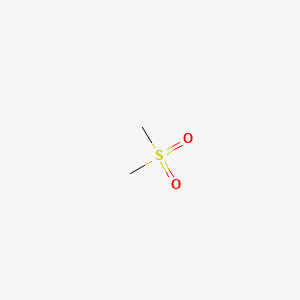
- Formula
- C2H6O2S
- Weight
- 94.14 Da
- PubChem CID
- 6213
- Exact Mass
- 94.0089 Da
- LogP
- -0.4
- TPSA
- 42.5 Ų
- H-Bond Donors
- 0
- H-Bond Acceptors
- 2
- Rotatable Bonds
- 0
- Complexity
- 85
Identifiers (SMILES, InChI)
InChI=1S/C2H6O2S/c1-5(2,3)4/h1-2H3
HHVIBTZHLRERCL-UHFFFAOYSA-NReferences (7)
- [4]Efficacy of dietary supplements for treating knee osteoarthritis: a systematic review and network meta-analysis
→ Network meta-analysis comparing various dietary supplements including MSM for knee osteoarthritis found potential benefits for pain reduction and joint function improvement.
- [7]Methylsulfonylmethane sensitizes endometrial cancer cells to doxorubicin
→ Laboratory study found MSM can enhance the effectiveness of chemotherapy drug doxorubicin in endometrial cancer cells by inducing apoptosis.
- [1]Methylsulfonylmethane: Applications and Safety of a Novel Dietary Supplement
→ Comprehensive review found MSM improves inflammation, joint/muscle pain, oxidative stress, and antioxidant capacity, with dosages up to 4 grams daily being well-tolerated with few side effects.
- [2]Methylsulfonylmethane (MSM), an organosulfur compound, is effective against obesity-induced metabolic disorders in mice
→ Animal study demonstrated MSM's effectiveness in reducing metabolic disorders associated with obesity through anti-inflammatory mechanisms.
- [3]Efficacy and safety of a supplement combination on hand pain among people with symptomatic hand osteoarthritis
→ Clinical trial evaluated MSM as part of a supplement combination for hand osteoarthritis pain relief in patients with symptomatic joint disease.
- [5]Nail Supplements: When, How, and Why?
→ Review found that MSM along with biotin, collagen peptides, and other supplements can improve nail clinical appearance, strength, and reduce brittleness.
- [6]Methyl-sulfonyl-methane (MSM)-induced acute angle closure
→ Case report of a rare adverse event where MSM supplementation was associated with bilateral acute angle closure glaucoma that resolved after discontinuation.
Continue researching MSM
Keep scientific evidence separate from commercial availability. Review how claims are evaluated, explore question-led research paths, or inspect disclosed source records without changing the editorial conclusions on this page.