VITAMIN K
Vitamin K is a fat-soluble vitamin essential for blood coagulation and bone health, acting as a coenzyme for proteins involved in calcium binding. It exists as phylloquinone (K1) from plants and menaquinones (K2) from bacteria and fermented foods.
Evidence-led profile
Research snapshot
- Evidence stage
- Emerging research
- References
- 9 linked sources
- Research coverage
- 1 area
- Editorial review
- Jul 7, 2026
Published by the PepGuide Editorial Team using our research methodology.
Overview
Vitamin K is a fat-soluble vitamin essential for blood coagulation and bone metabolism, existing primarily as K1 (phylloquinone) from plants and K2 (menaquinones) from fermented foods and animal products. It activates proteins like osteocalcin and matrix Gla-protein (MGP) through carboxylation, facilitating calcium transport to bones and preventing vascular calcification. Vitamin K is used for bone health, cardiovascular protection, and reducing fracture risk, with K2 showing superior tissue distribution and bioavailability compared to K1.
Research
Reported Effects
Synergistic Benefits:: Overwhelmingly viewed as most effective when combined with vitamin D3 and magnesium rather than as standalone supplement. Preventive Rather Than Acute:: Users recognize K2 as long-term preventive supplement for bone and cardiovascular health with no immediate noticeable effects. Form Matters:: K2 (menaquinone) consistently preferred over K1, with MK-7 form mentioned as having longer half-life and better bioavailability. Essential Cofactor Status:: Widely considered mandatory addition to any vitamin D supplementation regimen above 2000-5000 IU daily
Safety and Limitations
Safety Profile: Vitamin K
Common Side Effects
- Oral vitamin K (K1 phylloquinone and K2 menaquinone) is generally very well tolerated at typical supplement doses (100–200 mcg/day)
- Mild gastrointestinal symptoms including nausea and stomach upset (uncommon)
- Injection site pain, swelling, and bruising with parenteral vitamin K1 (phytonadione)
- Altered taste (rare with oral forms)
Serious Adverse Effects
- Anaphylactoid reactions: IV vitamin K1 (phytonadione) carries a risk of severe anaphylactoid reactions including facial flushing, dyspnea, chest pain, cardiovascular collapse, and death; risk is highest with rapid IV administration and appears related to the polyethoxylated castor oil vehicle
- Oral vitamin K is extremely safe: Virtually no toxicity reported even at high doses; no established Tolerable Upper Intake Level has been set due to lack of toxicity data
- Vitamin K2 (MK-4, MK-7) at high doses (>1000 mcg/day) has minimal reported adverse effects in clinical studies
- Neonatal hyperbilirubinemia has been associated with high-dose menadione (vitamin K3, synthetic form); K3 is no longer used clinically in most countries
- Potential to reverse therapeutic anticoagulation if taken inadvertently by patients on warfarin
Contraindications
- Known hypersensitivity to vitamin K or formulation excipients (particularly the castor oil vehicle in injectable forms)
- Concurrent warfarin therapy without medical supervision (vitamin K directly antagonizes warfarin)
- History of anaphylaxis to injectable vitamin K preparations
- Menadione (K3) is contraindicated in neonates, pregnant women, and patients with G6PD deficiency
Drug Interactions
- Warfarin and other vitamin K antagonist anticoagulants: Vitamin K directly antagonizes these drugs; even small changes in vitamin K intake can destabilize INR; patients must maintain consistent daily vitamin K intake
- Antibiotics (broad-spectrum): Prolonged courses destroy gut bacteria that produce vitamin K2; may increase bleeding risk; vitamin K supplementation may be needed
- Orlistat, cholestyramine, and fat malabsorption: Reduce vitamin K absorption (fat-soluble vitamin)
- High-dose vitamin A and vitamin E: May antagonize vitamin K activity and worsen coagulopathy
- Cephalosporin antibiotics (cefazolin, cefotetan): Contain NMTT side chain that inhibits vitamin K-dependent coagulation; supplementation may be needed
Population-Specific Considerations
- Neonates: Prophylactic vitamin K1 injection at birth is standard of care to prevent hemorrhagic disease of the newborn (VKDB)
- Warfarin patients: Do not avoid vitamin K entirely; maintain consistent daily intake (typically 90–120 mcg/day); sudden changes in intake destabilize INR
- Osteoporosis patients: Vitamin K2 (MK-4 at 45 mg/day or MK-7 at 100–200 mcg/day) studied for bone density; generally safe at these doses
- Elderly on multiple medications: Monitor for interactions with anticoagulants and antibiotics
- Vegan/vegetarian patients: May have lower K2 intake (primarily from animal and fermented foods); K2 supplementation may be beneficial
Common Side Effects
- Minimal Side Effects:: Users report virtually no adverse effects at recommended dosages, making it one of safest supplements
- Anticoagulant Interactions:: Awareness that K2 may interfere with warfarin/blood thinners, though dietary K intake concerns are often overstated
- No Toxicity Concerns:: Unlike vitamin D, vitamin K has no upper tolerable limit established due to lack of toxicity at high doses
- Digestive Tolerance:: Fat-soluble nature means best absorbed with meals containing fat, rarely causes GI issues
Research protocol summary
- Typical Dose
- Most users take 45-200 mcg daily, with 100-120 mcg being most common recommendation
These values summarize cataloged research protocols. They are not personal dosing instructions or medical guidance.
Molecular Structure
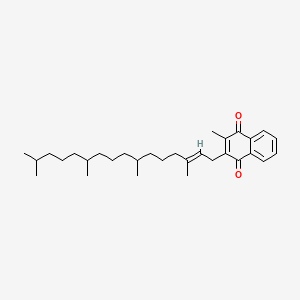
- Formula
- C31H46O2
- Weight
- 450.7 Da
- PubChem CID
- 5280483
- Exact Mass
- 450.3498 Da
- LogP
- 10.9
- TPSA
- 34.1 Ų
- H-Bond Donors
- 0
- H-Bond Acceptors
- 2
- Rotatable Bonds
- 14
- Complexity
- 696
Identifiers (SMILES, InChI)
InChI=1S/C31H46O2/c1-22(2)12-9-13-23(3)14-10-15-24(4)16-11-17-25(5)20-21-27-26(6)30(32)28-18-7-8-19-29(28)31(27)33/h7-8,18-20,22-24H,9-17,21H2,1-6H3/b25-20+
MBWXNTAXLNYFJB-LKUDQCMESA-NReferences (9)
- [2]The combination effect of vitamin K and vitamin D on human bone quality: a meta-analysis of randomized controlled trials
→ Meta-analysis of 971 subjects found vitamin K combined with vitamin D significantly increased total bone mineral density and decreased undercarboxylated osteocalcin, with K2 doses under 500μg daily showing optimal benefits.
- [3]Vitamin K: Double Bonds beyond Coagulation Insights into Differences between Vitamin K1 and K2 in Health and Disease
→ Review highlighting key differences between K1 and K2 vitamers in absorption, tissue distribution, and bioavailability, with implications for cardiovascular health, bone metabolism, and inflammation beyond coagulation.
- [4]Vitamin K as a Diet Supplement with Impact in Human Health: Current Evidence in Age-Related Diseases
→ Vitamin K benefits extend beyond coagulation to reducing chronic inflammatory diseases including cardiovascular disease, osteoarthritis, dementia, cognitive impairment, and frailty in aging populations.
- [5]Calcium, vitamin D, vitamin K2, and magnesium supplementation and skeletal health
→ VitK2 supplementation appears to improve bone quality and reduce fracture risk in osteoporotic patients, potentially enhancing the efficacy of calcium and vitamin D supplementation for skeletal health.
- [6]Interaction Between Dietary Vitamin K Intake and Anticoagulation by Vitamin K Antagonists: Is It Really True?: A Systematic Review
→ Systematic review questions the common belief that dietary vitamin K significantly interferes with warfarin therapy, finding limited evidence for restricting vitamin K-rich foods in patients on anticoagulants.
- [7]Investigating the Effects and Mechanisms of Combined Vitamin D and K Supplementation in Postmenopausal Women
→ Combined vitamin D and K supplementation shows promise for postmenopausal women in addressing cardiometabolic conditions, osteoporosis, and cardiovascular diseases through synergistic mechanisms.
- [8]Vitamin K Properties in Stroke and Alzheimer's Disease: A Janus Bifrons in Protection and Prevention
→ Vitamin K demonstrates dual protective roles in vascular and cerebral health through sphingolipid biosynthesis and ferroptosis inhibition, with implications for stroke prevention and neurodegenerative disease.
- [1]The Importance of Vitamin K and the Combination of Vitamins K and D for Calcium Metabolism and Bone Health: A Review
→ Vitamin K-dependent proteins like osteocalcin and MGP chelate and transport calcium to bones when properly carboxylated, reducing osteoporosis risk and improving bone quality when combined with vitamin D.
- [9]National Institutes of Health, Office of Dietary Supplements Vitamin K - Health Professional Fact Sheet NIH Office of Dietary Supplements (2021)
→ Adequate intake for adults is 90 mcg/day (women) to 120 mcg/day (men); supplements provide K1 (phylloquinone) and/or K2 (menaquinone, e.g., MK-7) typically in the 90-180 mcg range.
Continue researching VITAMIN K
Keep scientific evidence separate from commercial availability. Review how claims are evaluated, explore question-led research paths, or inspect disclosed source records without changing the editorial conclusions on this page.