Pyruvic Acid
Pyruvic Acid research profile covering evidence quality, proposed mechanisms, safety considerations, regulatory status, and linked primary sources.
Evidence-led profile
Research snapshot
- Evidence stage
- Emerging research
- References
- 6 linked sources
- Research coverage
- 1 area
- Editorial review
- Jul 7, 2026
Published by the PepGuide Editorial Team using our research methodology.
Overview
Pyruvic acid (pyruvate, 2-oxopropanoic acid) is a three-carbon alpha-keto acid that occupies a critical metabolic branch point as the end product of glycolysis and the gateway to mitochondrial oxidative metabolism. Under aerobic conditions, pyruvate is transported into the mitochondrial matrix and decarboxylated by the pyruvate dehydrogenase complex (PDC) to form acetyl-CoA, which enters the citric acid cycle to generate ATP through oxidative phosphorylation. Under anaerobic conditions, pyruvate is reduced to lactate by lactate dehydrogenase, regenerating NAD+ to sustain glycolysis. Pyruvate can also be carboxylated to oxaloacetate for gluconeogenesis or transaminated to alanine, making it a metabolic hub connecting carbohydrate, amino acid, and fatty acid metabolism.
As a dietary supplement, pyruvate (typically as calcium pyruvate or sodium pyruvate) has been investigated primarily for weight management and exercise performance. Early clinical studies by Stanko and colleagues in the 1990s reported that high-dose pyruvate supplementation (20-40 g/day) enhanced fat loss and improved body composition when combined with a hypocaloric diet, potentially by increasing metabolic rate and fatty acid oxidation through enhanced citric acid cycle flux. However, subsequent studies at more practical doses (5-10 g/day) have produced less consistent results, and the high doses required for meaningful weight loss effects limit practical applicability due to gastrointestinal side effects including bloating, gas, and diarrhea. For exercise performance, pyruvate supplementation has shown modest improvements in endurance capacity in some studies, potentially by increasing glucose extraction by working muscles and enhancing glycogen storage.
Beyond oral supplementation, pyruvic acid has established applications in dermatology as a chemical peeling agent. Pyruvic acid peels (typically at 40-70% concentration) produce superficial to medium-depth exfoliation and have demonstrated efficacy for acne, melasma, photoaging, and skin texture improvement. Pyruvic acid also functions as an antioxidant, directly scavenging hydrogen peroxide and other reactive oxygen species through non-enzymatic decarboxylation. This antioxidant activity, combined with its role in energy metabolism, has led to investigation of pyruvate infusions for cardiac protection during ischemia-reperfusion injury. Pyruvate metabolism intersects with several supplemental compounds including alpha-lipoic acid (a cofactor for PDC), thiamine (another PDC cofactor), CoQ10 (downstream in the electron transport chain), and NAD+ precursors (NAD+ is essential for pyruvate dehydrogenase activity).
Mechanism of Action
Mechanism of Action: Pyruvic Acid
Pyruvic acid (2-oxopropanoic acid, pyruvate) is the end product of glycolysis and occupies a central position in intermediary metabolism, serving as a critical branch point between aerobic and anaerobic energy production pathways.
Aerobic Metabolism (PDC)
The pyruvate dehydrogenase complex (PDC) catalyzes irreversible oxidative decarboxylation of pyruvate to acetyl-CoA in the mitochondrial matrix. This reaction requires five cofactors (thiamine pyrophosphate, lipoic acid, CoA, FAD, NAD+) and produces one NADH per pyruvate. Acetyl-CoA then enters the citric acid cycle, ultimately generating ~12.5 ATP equivalents per pyruvate through oxidative phosphorylation.
Gluconeogenesis and Anaplerosis
Pyruvate carboxylase (biotin-dependent, allosterically activated by acetyl-CoA) carboxylates pyruvate to oxaloacetate (OAA). This reaction serves dual purposes: (1) Anaplerosis: replenishing OAA consumed by citric acid cycle cataplerotic reactions, maintaining cycle flux; (2) Gluconeogenesis: OAA is converted to phosphoenolpyruvate (via PEPCK), entering the gluconeogenic pathway to produce glucose. This is essential for maintaining blood glucose during fasting.
Anaerobic Metabolism
Under hypoxic conditions or high glycolytic flux, lactate dehydrogenase (LDH) reduces pyruvate to lactate, regenerating NAD+ to sustain glycolysis. The lactate is exported and recycled to glucose in the liver (Cori cycle) or oxidized by other tissues. This metabolic flexibility is critical during intense exercise and in rapidly proliferating cells.
Antioxidant Properties
Pyruvate acts as a non-enzymatic scavenger of H2O2 through a direct chemical reaction: pyruvate + H2O2 → acetate + CO2 + H2O. This alpha-ketoacid peroxidation is stoichiometric and generates non-toxic products. Supplemental pyruvate has shown cytoprotective effects in ischemia-reperfusion injury, neurodegeneration, and inflammatory conditions by reducing oxidative stress. It also supports glutathione recycling by maintaining NADPH availability through enhanced pentose phosphate pathway flux.
Amino Acid Metabolism
Pyruvate serves as the carbon skeleton for alanine synthesis via alanine aminotransferase (ALT), linking amino acid and carbohydrate metabolism. The glucose-alanine cycle between muscle and liver is a major mechanism for nitrogen transport and glucose recycling during protein catabolism.
Research
Reported Effects
Limited Clinical Evidence:: Despite early promising results, later well-controlled human studies failed to demonstrate significant benefits for exercise performance or body composition. Minimal User Reports:: Pyruvate is rarely mentioned in user discussions of effective supplements, suggesting low real-world adoption and perceived efficacy. Dose-Response Uncertain:: Studies used 6g daily, but optimal dosing and duration remain unclear with conflicting results. Population-Specific:: Any potential benefits appear limited to specific populations (overweight individuals) rather than general use
- Despite early promising results, later well-controlled human studies failed to demonstrate significant benefits for exercise performance or body composition
- Pyruvate is rarely mentioned in user discussions of effective supplements, suggesting low real-world adoption and perceived efficacy
- Studies used 6g daily, but optimal dosing and duration remain unclear with conflicting results
- Any potential benefits appear limited to specific populations (overweight individuals) rather than general use
Safety and Limitations
Safety Profile: Pyruvic Acid
Common Side Effects
- Gastrointestinal distress is the most common complaint: bloating, gas, diarrhea, and stomach rumbling, especially at doses above 5 g/day
- Unpleasant taste and mild nausea with oral liquid preparations
- Borborygmi (intestinal gurgling) due to osmotic effects in the gut
- Mild heartburn or acid reflux due to the acidic nature of the compound
Serious Adverse Effects
- Severe gastrointestinal distress at high doses (20–30 g/day) used in weight loss studies, including persistent diarrhea and cramping
- Potential esophageal or gastric irritation with concentrated preparations
- No significant hepatotoxicity or nephrotoxicity reported at standard supplement doses (2–6 g/day)
- Metabolic acidosis theoretically possible with extremely high intake in individuals with impaired buffering capacity
Contraindications
- Active peptic ulcer disease or erosive esophagitis (acidic compound may worsen mucosal damage)
- Severe irritable bowel syndrome (IBS) or inflammatory bowel disease (may exacerbate GI symptoms)
- Known hypersensitivity to pyruvate salts (calcium pyruvate, sodium pyruvate)
- Pregnancy and lactation (insufficient safety data at supplemental doses)
Drug Interactions
- Antacids and proton pump inhibitors: May neutralize or reduce absorption of pyruvic acid; separate dosing by 2 hours
- Antidiabetic agents: Pyruvate may have mild glucose-lowering effects; monitor blood sugar
- Diuretics: Combined use may increase risk of electrolyte imbalances, particularly with sodium or calcium pyruvate salts
- No significant CYP450 interactions identified at typical supplemental doses
Population-Specific Considerations
- Elderly: Start with lower doses (2–3 g/day) due to increased GI sensitivity; monitor electrolytes
- Pediatric: No established dosing or safety data; not recommended for children
- GERD patients: Use buffered forms (calcium pyruvate) rather than free acid to minimize reflux
- Renal impairment: Calcium pyruvate may contribute to calcium load; use sodium pyruvate cautiously in sodium-restricted patients
- Athletes: Generally well tolerated at 3–5 g/day for performance; higher doses associated with diminishing returns and increased GI side effects
Common Side Effects
- Gastrointestinal Issues:: High doses may cause digestive discomfort, though specific side effects are rarely documented in research
- Limited Safety Data:: Long-term safety data is lacking, with most studies being short duration (weeks to months)
- No Major Concerns:: Available evidence suggests pyruvate supplementation at studied doses is generally well-tolerated
- Interaction Unknown:: Potential interactions with medications or other supplements are not well-studied
Research protocol summary
- Typical Dose
- 6 grams daily was used in most clinical trials examining weight loss and body composition
These values summarize cataloged research protocols. They are not personal dosing instructions or medical guidance.
Reconstitution Calculator
Pharmacokinetic Profile
Molecular Structure
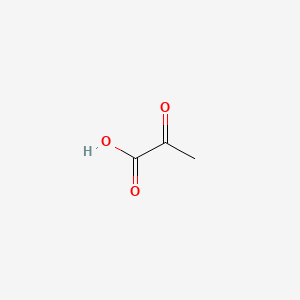
- Formula
- C3H4O3
- Weight
- 88.06 Da
- PubChem CID
- 1060
- Exact Mass
- 88.0160 Da
- LogP
- -0.3
- TPSA
- 54.4 Ų
- H-Bond Donors
- 1
- H-Bond Acceptors
- 3
- Rotatable Bonds
- 1
- Complexity
- 84
Identifiers (SMILES, InChI)
InChI=1S/C3H4O3/c1-2(4)3(5)6/h1H3,(H,5,6)
LCTONWCANYUPML-UHFFFAOYSA-NReferences (6)
- [1]Pyruvate supplementation for weight loss: a systematic review and meta-analysis of randomized clinical trials
→ Systematic review found that pyruvate supplementation may assist in weight reduction, though the magnitude of effect was modest and more well-controlled studies are needed to establish clinical efficacy.
- [2]The effects of pyruvate supplementation on body composition in overweight individuals
→ Six-week double-blind study of 6g daily pyruvate supplementation in overweight individuals showed potential effects on body weight and composition, though results were limited to this specific population.
- [3]Current knowledge about pyruvate supplementation: A brief review
→ Comprehensive review concluded that despite promising early results, well-controlled studies in physically active people show pyruvate supplementation lasting more than one week has no ergogenic effects, though it may have other metabolic benefits.
- [4]Exogenous Pyruvate in Defense Against Human-Exposure Toxicants: A Review of In Vitro and In Vivo Evidence
→ Review of cell and animal studies demonstrates that exogenous pyruvate compounds exert cytoprotective effects primarily through neutralization of reactive oxygen species and anti-inflammatory mechanisms during exposure to various toxicants.
- [5]Stanko RT, Robertson RJ, Galbreath RW, Reilly JJ Jr, Greenawalt KD, Goss FL Enhanced leg exercise endurance with a high-carbohydrate diet and dihydroxyacetone and pyruvate Journal of Applied Physiology (1990)
→ Oral pyruvate (25 g/day, with dihydroxyacetone) improved leg exercise endurance capacity in untrained subjects.
- [6]Stanko RT, Reynolds HR, Hoyson R, Janosky JE, Wolf R Pyruvate supplementation of a low-cholesterol, low-fat diet: effects on plasma lipid concentrations and body composition in hyperlipidemic patients American Journal of Clinical Nutrition (1994)
→ Pyruvate (22-44 g/day) added to a low-fat diet lowered LDL cholesterol and reduced body weight/fat in hyperlipidemic patients.
Continue researching Pyruvic Acid
Keep scientific evidence separate from commercial availability. Review how claims are evaluated, explore question-led research paths, or inspect disclosed source records without changing the editorial conclusions on this page.