Lycopene
Lycopene research profile covering evidence quality, proposed mechanisms, safety considerations, regulatory status, and linked primary sources.
Evidence-led profile
Research snapshot
- Evidence stage
- Emerging research
- References
- 5 linked sources
- Research coverage
- 1 area
- Editorial review
- Mar 8, 2026
Published by the PepGuide Editorial Team using our research methodology.
Overview
Lycopene is an acyclic carotenoid pigment responsible for the red color of tomatoes, watermelon, pink grapefruit, guava, and papaya. It is the most abundant carotenoid in the human prostate gland and one of the most abundant in plasma, where it circulates primarily in LDL and VLDL lipoprotein fractions. Structurally, lycopene's extended system of 11 conjugated double bonds makes it the most efficient singlet oxygen quencher among all biological carotenoids — approximately twice as potent as beta-carotene and ten times more effective than vitamin-e in this capacity. Unlike most carotenoids, lycopene has no provitamin A activity (it lacks the beta-ionone ring structure), meaning its biological effects are entirely independent of vitamin A pathways and centered on antioxidant, anti-inflammatory, and cell-signaling mechanisms.
The strongest epidemiological evidence for lycopene concerns prostate cancer prevention and cardiovascular protection. A large meta-analysis of 42 studies found that high lycopene intake was associated with a 12% reduction in prostate cancer risk, with cooked tomato products (sauce, paste) showing stronger associations than raw tomatoes — consistent with the improved bioavailability of lycopene from heat-processed, lipid-accompanied matrices. Mechanistically, lycopene suppresses prostate cancer cell proliferation through Akt/mTOR pathway inhibition, induces cell cycle arrest through p21 and p27 upregulation, and reduces androgen receptor signaling. In cardiovascular health, meta-analyses of randomized controlled trials demonstrate that lycopene supplementation (12–30 mg/day) significantly reduces LDL cholesterol, systolic blood pressure, and markers of endothelial dysfunction. These effects are mediated through HMG-CoA reductase inhibition (a statin-like mechanism), enhancement of LDL receptor expression, and suppression of endothelial inflammatory activation.
Lycopene's bioavailability is uniquely influenced by food processing and matrix effects. The all-trans isomer predominates in fresh tomatoes, but thermal processing induces isomerization to cis-forms (5-cis, 9-cis, 13-cis) that are more bioavailable due to greater solubility in bile acid micelles and enhanced intestinal absorption. Co-consumption with dietary fat increases lycopene absorption 2–3 fold, explaining why olive oil-based tomato sauces provide superior bioavailability compared to raw tomatoes. Lycopene synergizes with other carotenoids including lutein, astaxanthin, and beta-carotene for comprehensive antioxidant coverage, with saw-palmetto and zinc for prostate health protocols, and with CoQ10 and omega-3 for cardiovascular support. Typical supplemental doses of 10–30 mg/day are well-supported by the clinical literature and considered safe for long-term use.
Mechanism of Action
Lycopene is an acyclic C40 carotenoid with 11 conjugated double bonds (plus 2 non-conjugated), giving it the highest singlet oxygen quenching capacity among all dietary carotenoids—approximately twice that of beta-carotene and ten times that of alpha-tocopherol. Unlike cyclic carotenoids, lycopene lacks beta-ionone rings and therefore has no provitamin A activity, but its extended conjugated polyene chain makes it exceptionally efficient at physical quenching of singlet oxygen through energy transfer and at scavenging peroxyl radicals through electron donation. Lycopene preferentially accumulates in the testes, adrenal glands, prostate, and skin, where it provides tissue-specific antioxidant protection.
Lycopene modulates several signaling pathways beyond direct antioxidant activity. It activates the Nrf2 transcription factor through electrophilic metabolites (lycopenals) generated by eccentric cleavage via beta-carotene oxygenase 2 (BCO2), inducing phase II detoxification enzymes including glutathione S-transferases, NQO1, and UDP-glucuronosyltransferases. Lycopene enhances gap junction intercellular communication (GJIC) by upregulating connexin 43 (Cx43) expression at the transcriptional level, restoring cell-to-cell signaling that is typically disrupted in transformed cells—a mechanism considered central to its cancer-preventive properties. It also reduces IGF-1 (insulin-like growth factor 1) signaling by increasing circulating IGF binding protein levels, attenuating PI3K/Akt/mTOR-mediated proliferative signaling.
In the prostate, lycopene inhibits 5-alpha-reductase activity, reducing conversion of testosterone to dihydrotestosterone (DHT), and modulates androgen receptor (AR) signaling by decreasing AR expression and nuclear translocation. It suppresses NF-κB activation in macrophages and endothelial cells, reducing expression of adhesion molecules (VCAM-1, ICAM-1) and inflammatory cytokines, contributing to its cardioprotective effects. Lycopene also inhibits HMG-CoA reductase activity and upregulates hepatic LDL receptor expression, reducing circulating LDL cholesterol. Its metabolites apo-10-lycopenal and apo-10-lycopenoic acid activate retinoic acid receptor-related elements, suggesting additional transcriptional regulatory mechanisms.
Research
Reported Effects
Food vs Supplement:: Research and user experiences strongly support whole food sources (especially cooked tomato paste) over isolated lycopene supplements for better absorption and effectiveness. Dose-Response Relationship:: Studies show protective effects emerging at 4.9+ mg/day, with optimal benefits in the 10-20mg range from dietary sources. Long-term Benefits:: Most significant effects on cancer risk, cardiovascular health, and skin appearance require sustained use over months to years rather than acute supplementation. Individual Variation:: Effectiveness appears to vary based on baseline carotenoid status, with those consuming low amounts of fruits and vegetables showing more dramatic improvements
- Research and user experiences strongly support whole food sources (especially cooked tomato paste) over isolated lycopene supplements for better absorption and effectiveness
- Studies show protective effects emerging at 4.9+ mg/day, with optimal benefits in the 10-20mg range from dietary sources
- Most significant effects on cancer risk, cardiovascular health, and skin appearance require sustained use over months to years rather than acute supplementation
- Effectiveness appears to vary based on baseline carotenoid status, with those consuming low amounts of fruits and vegetables showing more dramatic improvements
Safety and Limitations
Lycopene is generally safe from food sources but supplemental doses may cause mild digestive issues like diarrhea or upset stomach. It may slow blood clotting, so individuals with bleeding disorders or those taking anticoagulants should use caution and discontinue use at least two weeks before surgery. High-dose supplements are not recommended during pregnancy or for children.
Common Side Effects
- Minimal Reported Issues:: Very few side effects reported compared to other supplements, with most users experiencing no adverse effects from moderate doses
- Skin Discoloration:: At megadoses (particularly with multiple carotenoids), some users report orange-yellow skin tinting, which is generally considered desirable rather than problematic
- Digestive Tolerance:: Rare reports of mild digestive upset when starting, particularly with concentrated tomato paste on an empty stomach
- Interaction Considerations:: Generally well-tolerated with other supplements, though users taking comprehensive stacks note it works synergistically with other antioxidants
Reconstitution Calculator
Pharmacokinetic Profile
Molecular Structure
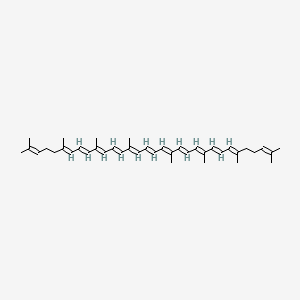
- Formula
- C40H56
- Weight
- 536.9 Da
- PubChem CID
- 446925
- Exact Mass
- 536.4382 Da
- LogP
- 15.6
- TPSA
- 0 Ų
- H-Bond Donors
- 0
- H-Bond Acceptors
- 0
- Rotatable Bonds
- 16
- Complexity
- 1050
Identifiers (SMILES, InChI)
InChI=1S/C40H56/c1-33(2)19-13-23-37(7)27-17-31-39(9)29-15-25-35(5)21-11-12-22-36(6)26-16-30-40(10)32-18-28-38(8)24-14-20-34(3)4/h11-12,15-22,25-32H,13-14,23-24H2,1-10H3/b12-11+,25-15+,26-16+,31-17+,32-18+,35-21+,36-22+,37-27+,38-28+,39-29+,40-30+
OAIJSZIZWZSQBC-GYZMGTAESA-NReferences (5)
- [1]Dietary intake of tomato and lycopene, blood levels of lycopene, and risk of total and specific cancers in adults: a systematic review and dose-response meta-analysis of prospective cohort studies
→ High lycopene intake and blood levels were associated with 5% and 11% reductions in overall cancer risk respectively, with evidence of dose-response relationships showing significant protective effects at intakes above certain thresholds.
- [2]Lycopene intake and prostate cancer risk in men at high cardiovascular risk: a prospective cohort study
→ Men in the highest quartile of lycopene intake had a 54% lower risk of prostate cancer compared to the lowest quartile, with significant inverse associations emerging at intakes above 4.9 mg/day in a Mediterranean population study.
- [3]Association between higher dietary lycopene intake and reduced depression risk among American adults: evidence from NHANES 2007-2016
→ Higher dietary lycopene intake was significantly associated with reduced depression risk in American adults, with a U-shaped relationship showing protective effects at intakes ranging from 0 to 10,072 μg/day.
- [5]Tomato powder is more effective than lycopene to alleviate exercise-induced lipid peroxidation in well-trained male athletes
→ Study demonstrated that whole tomato powder provided superior antioxidant protection against exercise-induced oxidative stress compared to isolated lycopene supplements, suggesting synergistic effects of tomato's complete nutrient profile.
- [4]Tomato and lycopene and multiple health outcomes: Umbrella review
→ Comprehensive umbrella review of meta-analyses found consistent evidence for lycopene's protective associations with cardiovascular disease, certain cancers, and metabolic health outcomes across multiple populations.
Continue researching Lycopene
Keep scientific evidence separate from commercial availability. Review how claims are evaluated, explore question-led research paths, or inspect disclosed source records without changing the editorial conclusions on this page.