Limonene
Limonene research profile covering evidence quality, proposed mechanisms, safety considerations, regulatory status, and linked primary sources.
Evidence-led profile
Research snapshot
- Evidence stage
- Emerging research
- References
- 4 linked sources
- Research coverage
- 1 area
- Editorial review
- Mar 8, 2026
Published by the PepGuide Editorial Team using our research methodology.
Overview
Limonene (D-limonene) is a monocyclic monoterpene and the primary aromatic constituent of citrus fruit peels, comprising up to 97% of orange peel oil and significant fractions of lemon, grapefruit, and lime essential oils. It is one of the most widely consumed terpenes in the human diet, with estimated daily intake from food and beverages ranging from 10–50 mg. Limonene has been granted Generally Recognized as Safe (GRAS) status by the FDA and is used extensively in food flavoring, cleaning products, and cosmetics. Its biomedical properties have attracted increasing research attention, particularly in the areas of gastroesophageal reflux disease (GERD), chemoprevention, and metabolic health. Following oral ingestion, limonene is rapidly absorbed and metabolized primarily to perillyl alcohol, dihydroperillic acid, and limonene-1,2-diol — several of which possess independent biological activity.
The gastroprotective effects of D-limonene are among its best-characterized clinical applications. It neutralizes gastric acid on contact (due to its low density, it floats on gastric contents and provides a protective barrier), promotes esophageal peristalsis, and has demonstrated efficacy comparable to conventional proton pump inhibitors in alleviating GERD symptoms in clinical studies using 1,000 mg every other day for 20 days. At the cellular level, limonene upregulates mucosal defensive factors including mucus secretion, prostaglandin E2 synthesis, and antioxidant enzyme activity in gastric epithelium. Its anti-inflammatory mechanisms involve inhibition of NF-kB signaling, suppression of pro-inflammatory cytokines (TNF-alpha, IL-6, IL-1beta), and modulation of the COX-2/PGE2 pathway.
Limonene's chemopreventive potential has been documented across multiple cancer models. It induces Phase I and Phase II detoxification enzymes (particularly glutathione S-transferase), promotes apoptosis through p21-dependent cell cycle arrest, inhibits Ras oncogene post-translational processing (isoprenylation), and activates autophagy in cancer cell lines. Clinical Phase I trials of perillyl alcohol (limonene's metabolite) have established safety in cancer patients, though efficacy trials are ongoing. Limonene pairs naturally with other terpene compounds such as linalool for anxiolytic synergy, myrcene for anti-inflammatory effects, and curcumin for enhanced bioavailability (limonene improves curcumin absorption through P-glycoprotein modulation). It also complements ginger and betaine-hcl in digestive health protocols.
Mechanism of Action
D-Limonene is the principal monocyclic monoterpene in citrus peel oils, comprising over 90% of orange peel essential oil. Its chemopreventive mechanism centers on disruption of the mevalonate/isoprenoid pathway. Limonene is hepatically metabolized to perillyl alcohol, perillic acid, and dihydroperillic acid, which inhibit protein farnesyltransferase and geranylgeranyltransferase. These enzymes are responsible for the post-translational isoprenylation of small GTPases (Ras, Rho, Rac) essential for their membrane localization and oncogenic signaling activity.
Limonene activates the Nrf2-ARE (antioxidant response element) signaling pathway, inducing expression of phase II detoxification enzymes including glutathione S-transferase (GST), NAD(P)H quinone oxidoreductase 1 (NQO1), and UDP-glucuronosyltransferase. These enzymes conjugate electrophilic carcinogens and reactive metabolites for excretion, providing a broad chemopreventive effect. Limonene also enhances hepatic phase I metabolism through modest CYP enzyme induction, accelerating the clearance of various xenobiotics.
The anti-inflammatory properties of limonene involve suppression of NF-kappaB activation through inhibition of IkappaB kinase (IKK) phosphorylation, preventing nuclear translocation of the p65 subunit. This reduces transcription of pro-inflammatory mediators including COX-2, inducible nitric oxide synthase (iNOS), TNF-alpha, and IL-1beta. In the gastrointestinal context, D-limonene promotes gastric motility and coats the esophageal and gastric mucosa, providing symptomatic relief from gastroesophageal reflux.
Research
Reported Effects
GERD Treatment:: Highly effective for most users, with many able to discontinue PPIs (proton pump inhibitors) entirely after starting d-limonene. Onset Time:: Effects typically noticed within 1-2 weeks, with some users experiencing benefits within days. Individual Variation:: While most report positive results, effectiveness varies and some users find it stops working or requires dose adjustment. Combination Therapy:: Often used alongside other supplements like DGL licorice, slippery elm, and melatonin for enhanced digestive support
- Highly effective for most users, with many able to discontinue PPIs (proton pump inhibitors) entirely after starting d-limonene
- Effects typically noticed within 1-2 weeks, with some users experiencing benefits within days
- While most report positive results, effectiveness varies and some users find it stops working or requires dose adjustment
- Often used alongside other supplements like DGL licorice, slippery elm, and melatonin for enhanced digestive support
Safety and Limitations
Safety Profile: Limonene
Common Side Effects
- Generally Recognized as Safe (GRAS) by the FDA as a food flavoring agent
- Gastrointestinal symptoms: heartburn, acid reflux, nausea, and stomach discomfort at higher supplemental doses (500–1,000 mg/day)
- Skin irritation: undiluted d-limonene is a known skin sensitizer; contact dermatitis is the most commonly reported adverse event for topical use
- Citrus-like eructation (burping) common with oral supplementation
- Mild headache reported occasionally in aromatherapy applications
Serious Adverse Effects
- Contact dermatitis and photoallergy: oxidized limonene (formed on air exposure) is a strong allergen; the European Commission classifies oxidized limonene as a significant contact allergen
- Aspiration pneumonia risk: as a hydrocarbon-based terpene, accidental aspiration of liquid limonene can cause chemical pneumonitis, which may be life-threatening
- Nephrotoxicity: male rats develop alpha-2u-globulin nephropathy from d-limonene; this mechanism is specific to male rats and considered NOT relevant to humans (EPA conclusion)
- Allergic bronchospasm in individuals with fragrance sensitivity or asthma
Contraindications
- Known allergy to limonene, citrus fruits, or citrus-derived fragrances
- Active contact dermatitis to fragrances or terpenes
- Gastroesophageal reflux disease (GERD) — limonene may worsen acid reflux symptoms despite some claims of benefit
- Severe asthma or fragrance-triggered respiratory conditions (inhalation exposure)
Drug Interactions
- CYP2B6 and CYP3A4 induction: d-limonene induces hepatic cytochrome P450 enzymes, potentially accelerating metabolism and reducing efficacy of drugs cleared by these pathways
- CYP3A4 substrates (cyclosporine, statins, calcium channel blockers, HIV protease inhibitors): reduced drug levels possible with chronic limonene use
- Acid-suppressing agents (PPIs, H2 blockers): limonene may counteract their effects by promoting gastric acid secretion
- Topical medications: limonene acts as a penetration enhancer and may increase dermal absorption of co-applied drugs
- Chemotherapy agents: preclinical evidence suggests limonene may modulate drug resistance pathways; clinical significance unknown
Population-Specific Considerations
- Pregnancy: dietary intake from citrus foods is considered safe; supplemental doses lack safety data; avoid concentrated essential oil ingestion during pregnancy
- Lactation: citrus flavors transfer to breast milk and are generally well-tolerated by infants; avoid high-dose supplementation
- Children: safe at dietary levels; essential oil products should be kept out of reach due to aspiration risk and skin sensitization potential
- Elderly: well-tolerated at dietary levels; use caution with concentrated supplements if on multiple medications metabolized by CYP3A4
- Occupational exposure: workers handling d-limonene as an industrial solvent should use PPE; air-oxidized limonene is the primary sensitization risk
Common Side Effects
- Orange-Scented Effects:: Burps and occasionally stool may smell like oranges, which some find unpleasant
- Digestive Changes:: High doses (1g+) can cause orange-scented stool, indicating significant GI presence
- Sleep Effects:: Conflicting reports - some experience improved sleep, while rare cases report insomnia after prolonged use
- Minimal Adverse Effects:: Overall very well-tolerated with few serious side effects reported
Research protocol summary
- Typical Dose
- 500mg-1000mg daily, typically taken 30 minutes before meals or before bed
These values summarize cataloged research protocols. They are not personal dosing instructions or medical guidance.
Reconstitution Calculator
Pharmacokinetic Profile
Molecular Structure
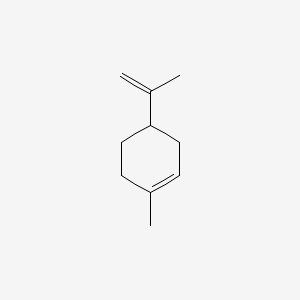
- Formula
- C10H16
- Weight
- 136.23 Da
- PubChem CID
- 22311
- Exact Mass
- 136.1252 Da
- LogP
- 3.4
- TPSA
- 0 Ų
- H-Bond Donors
- 0
- H-Bond Acceptors
- 0
- Rotatable Bonds
- 1
- Complexity
- 163
Identifiers (SMILES, InChI)
InChI=1S/C10H16/c1-8(2)10-6-4-9(3)5-7-10/h4,10H,1,5-7H2,2-3H3
XMGQYMWWDOXHJM-UHFFFAOYSA-NReferences (4)
- [2]D-limonene: A multifunctional compound with potent therapeutic effects
→ Study confirming d-limonene as a multifunctional compound with demonstrated potent therapeutic effects across multiple biological systems including digestive, nervous, and immune systems.
- [1]The Pharmacological Effects and Potential Applications of Limonene From Citrus Plants: A Review
→ Comprehensive review demonstrating that limonene has multiple pharmacological effects including antibacterial, anticancer, analgesic, immune regulation, neuroprotection, antioxidant, anti-inflammatory properties, and applications in treating metabolic diseases.
- [3]D-Limonene: safety and clinical applications
→ Clinical review establishing the safety profile and various clinical applications of d-limonene, particularly for gastrointestinal disorders and as an adjunct therapeutic agent.
- [4]D-limonene Inhibits Pentylenetetrazole-Induced Seizure via Adenosine A2A Receptor Modulation on GABAergic Neuronal Activity
→ Research demonstrating that d-limonene modulates adenosine A2A receptors and GABAergic activity, showing neuroprotective effects and potential anti-seizure properties.
Continue researching Limonene
Keep scientific evidence separate from commercial availability. Review how claims are evaluated, explore question-led research paths, or inspect disclosed source records without changing the editorial conclusions on this page.