D-Chiro-Inositol
D-Chiro-Inositol research profile covering evidence quality, proposed mechanisms, safety considerations, regulatory status, and linked primary sources.
Evidence-led profile
Research snapshot
- Evidence stage
- Emerging research
- References
- 4 linked sources
- Research coverage
- 1 area
- Editorial review
- Mar 8, 2026
Published by the PepGuide Editorial Team using our research methodology.
Overview
D-Chiro-inositol (DCI) is one of nine stereoisomers of inositol, a cyclic sugar alcohol that plays critical roles in cellular signaling. DCI functions as a secondary messenger in the insulin signaling pathway, where it is incorporated into inositol phosphoglycans that mediate insulin's intracellular effects. A deficiency in DCI has been associated with insulin resistance, particularly in women with polycystic ovary syndrome (PCOS).
Clinical research has demonstrated that DCI supplementation can improve insulin sensitivity, reduce circulating androgen levels, and restore ovulatory function in women with PCOS. It is often used in combination with myo-inositol at a physiological ratio of approximately 40:1 (myo-inositol to DCI), mirroring the natural ratio found in human plasma. This combination approach has shown superior outcomes compared to either isomer alone in several randomized controlled trials.
Beyond PCOS, DCI has been investigated for broader metabolic applications including type 2 diabetes management and metabolic syndrome. It may also support lipid metabolism by reducing triglyceride levels and improving HDL cholesterol profiles. Supplementation is generally well-tolerated, with typical doses ranging from 600–1200 mg per day, though excessive DCI relative to myo-inositol may paradoxically impair oocyte quality, underscoring the importance of proper dosing ratios.
Mechanism of Action
Insulin Signal Transduction
D-Chiro-inositol (DCI) is a cyclic sugar alcohol that functions as a critical component of inositol phosphoglycan (IPG) second messengers in the insulin signaling cascade. When insulin binds its receptor, the resulting tyrosine kinase activation triggers GPI-linked phospholipase cleavage of membrane glycolipids, releasing DCI-containing IPG mediators into the cytoplasm (PMID: 10331399).
Glycogen Synthase Activation
DCI-IPG mediators activate protein phosphatase 2C-alpha (PP2Ca), which dephosphorylates and activates glycogen synthase, promoting glycogen storage. Simultaneously, DCI-IPG activates pyruvate dehydrogenase phosphatase, increasing oxidative glucose disposal through the TCA cycle. These actions amplify insulin's metabolic effects on glucose utilization and storage (PMID: 12045256).
Epimerase Deficiency in Insulin Resistance
Under normal physiology, myo-inositol is converted to DCI by a NAD+/NADH-dependent epimerase that is itself insulin-regulated. In insulin-resistant states (PCOS, type 2 diabetes), reduced epimerase activity leads to intracellular DCI depletion and excessive myo-inositol accumulation, creating a defective insulin second-messenger loop. Urinary DCI excretion paradoxically increases due to impaired tissue retention (PMID: 22019476).
Ovarian Steroidogenesis
In the ovary, DCI-IPG mediators reduce CYP17A1 (17-alpha-hydroxylase/17,20-lyase) activity, decreasing ovarian androgen production. This mechanism underlies DCI's therapeutic benefit in polycystic ovary syndrome (PCOS), where it lowers free testosterone, improves ovulatory function, and restores insulin sensitivity. DCI also enhances aromatase activity, shifting the androgen-to-estrogen ratio toward estradiol (PMID: 21546014).
Research
Reported Effects
PCOS Management:: Highly effective for managing PCOS symptoms, with comparable or superior results to metformin in some studies, particularly for phenotypes C and D. Insulin Sensitivity:: Produces dramatic improvements in insulin action, with plasma insulin curves decreasing by over 60% in clinical trials. Phenotype-Specific Response:: May be particularly effective for certain PCOS phenotypes, especially those without severe metabolic dysfunction. Combination Therapy:: Works best when combined with myo-inositol at 40:1 ratio (MI:DCI), providing synergistic benefits for both metabolic and reproductive outcomes
- Highly effective for managing PCOS symptoms, with comparable or superior results to metformin in some studies, particularly for phenotypes C and D
- Produces dramatic improvements in insulin action, with plasma insulin curves decreasing by over 60% in clinical trials
- May be particularly effective for certain PCOS phenotypes, especially those without severe metabolic dysfunction
- Works best when combined with myo-inositol at 40:1 ratio (MI:DCI), providing synergistic benefits for both metabolic and reproductive outcomes
Safety and Limitations
Safety Profile: D-Chiro-Inositol (DCI)
Common Side Effects
- Mild gastrointestinal symptoms: nausea, bloating, flatulence, loose stools
- Headache (infrequent, usually transient)
- Dizziness at higher doses
- Insomnia or sleep disturbances (rare)
- Generally very well-tolerated at standard doses (600-2400 mg/day)
Serious Adverse Effects
- At excessive doses relative to myo-inositol, DCI may paradoxically impair oocyte quality (the "DCI paradox" in ovarian tissue)
- Hypoglycemia risk when combined with antidiabetic medications — monitor blood glucose closely
- No hepatotoxicity, nephrotoxicity, or cardiotoxicity reported in clinical studies
- No teratogenic effects observed, though data during pregnancy are limited
Contraindications
- Hypersensitivity to inositol compounds
- Caution in women undergoing IVF — high-dose DCI without myo-inositol may reduce egg quality
- Type 1 diabetes (DCI acts on insulin signaling; limited utility and risk of hypoglycemia)
- Severe renal impairment (clearance may be altered)
Drug Interactions
- Potentiates insulin and oral hypoglycemics (metformin, sulfonylureas, thiazolidinediones) — risk of hypoglycemia
- May enhance effects of anti-androgen therapies (spironolactone, finasteride) in PCOS
- No significant CYP450 interactions documented
- May reduce efficacy of certain hormonal contraceptives (theoretical, based on hormonal modulation in PCOS)
- Additive effects with myo-inositol — the 40:1 MI:DCI ratio is considered optimal
Population-Specific Considerations
- Women with PCOS: Primary target population; best evidence supports 40:1 myo-inositol:DCI ratio rather than DCI alone
- Pregnant women: Some safety data available (used in gestational diabetes studies); consult healthcare provider
- Men: Limited data; some evidence for improved insulin sensitivity and sperm parameters
- Children/Adolescents: Safety not established at supplemental doses
- Elderly/Diabetics: Monitor blood glucose carefully when adding to existing antidiabetic regimens
Common Side Effects
- Generally Well-Tolerated:: Clinical trials report minimal adverse effects, with most patients completing full treatment courses without issues
- Gastrointestinal Symptoms:: Some users may experience mild digestive upset, particularly when initiating therapy or at higher doses
- Ovarian Response:: In rare cases, excessive DCI supplementation may negatively impact oocyte quality; maintaining proper MI:DCI ratio is important
- Hypoglycemia Risk:: Improved insulin sensitivity may require adjustment of diabetic medications to prevent low blood sugar in susceptible individuals
Research protocol summary
- Typical Dose
- Most clinical trials used 1200mg daily of DCI alone, showing significant therapeutic effects at this dosage
These values summarize cataloged research protocols. They are not personal dosing instructions or medical guidance.
Reconstitution Calculator
Pharmacokinetic Profile
Molecular Structure
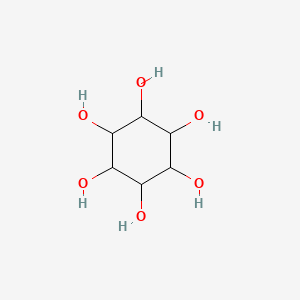
- Formula
- C6H12O6
- Weight
- 180.16 Da
- PubChem CID
- 892
- Exact Mass
- 180.0634 Da
- LogP
- -3.7
- TPSA
- 121 Ų
- H-Bond Donors
- 6
- H-Bond Acceptors
- 6
- Rotatable Bonds
- 0
- Complexity
- 104
Identifiers (SMILES, InChI)
InChI=1S/C6H12O6/c7-1-2(8)4(10)6(12)5(11)3(1)9/h1-12H
CDAISMWEOUEBRE-UHFFFAOYSA-NReferences (4)
- [1]Ovulatory and Metabolic Effects of d-Chiro-Inositol in the Polycystic Ovary Syndrome
→ In 44 obese women with PCOS, 1200mg daily of DCI significantly improved insulin sensitivity, reduced free testosterone by 54%, lowered blood pressure and triglycerides, and restored ovulation in 86% of women compared to 27% in placebo group.
- [2]Comparative efficacy of combined myo-inositol and D-chiro inositol versus metformin across PCOS Phenotypes
→ A 12-week trial showed that MI+DCI combination (40:1 ratio) significantly improved insulin sensitivity, SHBG levels, ovarian volume, menstrual regularity, BMI, quality of life, and stress scores in PCOS patients, with comparable efficacy to metformin.
- [3]D-Chiro-inositol and its significance in polycystic ovary syndrome: a systematic review
→ This systematic review consolidates evidence showing DCI's role in improving insulin resistance, hormonal profiles, and ovulatory function in PCOS patients through its action as an insulin mediator.
- [4]Efficacy of myo-inositol and d-chiro-inositol combination on menstrual cycle regulation and improving insulin resistance in young women with polycystic ovary syndrome
→ Randomized controlled trial demonstrated that MI+DCI combination effectively regulated menstrual cycles and improved insulin resistance in young women with PCOS.
Continue researching D-Chiro-Inositol
Keep scientific evidence separate from commercial availability. Review how claims are evaluated, explore question-led research paths, or inspect disclosed source records without changing the editorial conclusions on this page.