GABA (Gamma-Aminobutyric Acid)
GABA (gamma-aminobutyric acid) is the primary inhibitory neurotransmitter in the central nervous system, responsible for reducing neuronal excitability and promoting calmness, relaxation, and sleep. As a supplement, it is used to support stress management, improve sleep quality, and enhance growth hormone secretion.
Evidence-led profile
Research snapshot
- Evidence stage
- Emerging research
- References
- 6 linked sources
- Research coverage
- 1 area
- Editorial review
- Mar 8, 2026
Published by the PepGuide Editorial Team using our research methodology.
Overview
GABA (gamma-aminobutyric acid) is a non-protein amino acid that serves as the most abundant inhibitory neurotransmitter in the mammalian central nervous system. Synthesized from glutamate by the enzyme glutamic acid decarboxylase (GAD), GABA acts on two main receptor types: GABA-A (ionotropic, mediating fast inhibition through chloride channel opening) and GABA-B (metabotropic, mediating slower, longer-lasting inhibition through G-protein signaling). GABAergic dysfunction is implicated in anxiety disorders, epilepsy, insomnia, depression, and various neurological conditions.
The use of oral GABA as a supplement has been debated due to the long-held belief that GABA cannot cross the blood-brain barrier (BBB) in significant quantities. However, emerging research suggests that GABA may exert central effects through several mechanisms: limited BBB permeability (particularly in areas with a less restrictive barrier), activation of peripheral GABA receptors in the enteric nervous system that signal the brain via the vagus nerve, and potential modulation of the gut-brain axis. Clinical studies have demonstrated that oral GABA supplementation can reduce markers of psychological stress, improve sleep quality and sleep onset latency, and enhance alpha brain wave activity — a pattern associated with relaxed alertness.
One of the most notable effects of supplemental GABA is its ability to stimulate growth hormone (GH) release. Studies have shown that a single dose of 3–5 grams of GABA can increase resting and post-exercise GH levels by up to 400%, likely through GABA-mediated inhibition of somatostatin, which normally suppresses GH release from the anterior pituitary. GABA supplements are generally well-tolerated, with tingling sensations and mild drowsiness as the most common side effects. It is commonly stacked with L-theanine and magnesium for synergistic calming effects, and many pharmaceutical anxiolytics and sedatives (benzodiazepines, barbiturates) work by enhancing GABAergic transmission.
Research
Reported Effects
Questionable Bioavailability:: Many users and research question whether oral GABA crosses the blood-brain barrier, with numerous reports of no noticeable effects even at recommended doses. Individual Variation:: Effectiveness varies dramatically between users, with some finding it completely ineffective while others report subtle calming benefits. Better Alternatives Exist:: L-theanine, magnesium glycinate, and ashwagandha are more consistently recommended by users for anxiety and sleep compared to standalone GABA. Works Better in Combinations:: GABA shows improved results when combined with other supplements like L-theanine, glycine, or magnesium rather than used alone
Safety and Limitations
Common Side Effects
- Drowsiness and sedation are the most frequently reported effects, which are often the intended purpose but can be excessive
- Vivid dreams or unusual dream patterns, particularly at higher doses (above 750 mg)
- Gastrointestinal discomfort including nausea, bloating, and stomach upset
- Tingling or prickling sensation (paresthesia) in the face and extremities, typically transient and lasting 15–30 minutes; this is common and generally harmless
- Mild shortness of breath or chest tightness reported rarely at higher doses, usually transient
- Headache and lightheadedness
Serious Adverse Effects
- Excessive sedation and respiratory depression at very high doses, particularly when combined with other CNS depressants
- Rebound anxiety or insomnia with abrupt discontinuation after prolonged high-dose use, suggesting potential for physiological dependence
- May lower seizure threshold at very high doses in susceptible individuals, though some research paradoxically suggests anticonvulsant properties at standard doses
- Rare reports of elevated liver enzymes with chronic high-dose supplementation
Contraindications
- Individuals with respiratory conditions (COPD, sleep apnea) should use with extreme caution or avoid GABA supplements due to potential respiratory depression
- Patients with liver disease should avoid high doses as GABA is metabolized hepatically
- Pregnant and breastfeeding women should avoid supplementation due to GABA's role in neurodevelopment and insufficient safety data
- Individuals with clinical depression should consult a healthcare provider, as excessive GABAergic activity may worsen depressive symptoms
- Not recommended for use before driving or operating heavy machinery due to sedating effects
Drug Interactions
- Significant potentiation of CNS depressants including benzodiazepines (diazepam, lorazepam), barbiturates, opioids, and alcohol; combined use can lead to excessive sedation and respiratory depression
- May enhance the effects of gabapentin and pregabalin, which modulate GABAergic pathways
- Potential interaction with antihypertensive medications, as GABA may lower blood pressure
- May interact with antiepileptic drugs that work through GABA mechanisms (valproic acid, vigabatrin, tiagabine), leading to excessive sedation
- Herbal interactions with valerian, kava, passionflower, and other sedating botanicals may produce additive effects
- May interfere with growth hormone testing, as GABA supplementation can transiently elevate GH levels
Population-Specific Considerations
- The blood-brain barrier permeability of oral GABA supplements is debated; some effects may be mediated through enteric nervous system receptors rather than central mechanisms
- Older adults are more sensitive to sedative effects and should start with lower doses (250–500 mg)
- Individuals using GABA for sleep should take it 30–60 minutes before bedtime and avoid morning dosing
Common Side Effects
- Headaches:: Multiple users report headaches as a primary side effect, particularly when starting supplementation
- No Effect:: The most common 'side effect' reported is simply experiencing no noticeable benefits at all
- Next-Day Effects:: Some users report increased anxiety or panic attacks the morning after taking GABA, though this is less common
- Minimal Issues:: For those who do respond, side effects are generally mild and infrequent compared to pharmaceutical alternatives
Mechanism of Action
Inhibitory Neurotransmission
GABA (gamma-aminobutyric acid) is the principal inhibitory neurotransmitter in the mammalian central nervous system, synthesized from L-glutamate by the enzyme glutamic acid decarboxylase (GAD65/GAD67) using pyridoxal phosphate (vitamin B6) as a cofactor. GABA mediates fast synaptic inhibition primarily through GABA-A receptors and slow, sustained inhibition through GABA-B receptors (PMID: 20655480).
GABA-A Receptor (Ionotropic)
GABA-A receptors are ligand-gated chloride ion channels composed of pentameric subunit assemblies (typically 2alpha, 2beta, 1gamma). GABA binding opens the chloride channel, producing rapid membrane hyperpolarization that reduces neuronal excitability. These receptors contain allosteric binding sites for benzodiazepines (alpha/gamma interface), barbiturates, neurosteroids, and ethanol, which modulate channel kinetics. The subunit composition (alpha1-6, beta1-3, gamma1-3, delta, etc.) determines pharmacological sensitivity and subcellular localization—synaptic vs. extrasynaptic tonic inhibition (PMID: 18790874).
GABA-B Receptor (Metabotropic)
GABA-B receptors are G-protein-coupled receptors (GPCRs) that form obligate heterodimers (GABA-B1/B2). Activation stimulates Gi/Go proteins, which inhibit adenylyl cyclase (reducing cAMP), activate inwardly rectifying potassium channels (GIRKs) producing slow hyperpolarization, and inhibit presynaptic voltage-gated calcium channels (N-type, P/Q-type), reducing neurotransmitter release (PMID: 11520928).
Peripheral & Endocrine Effects
Beyond the CNS, GABA is produced in pancreatic beta cells where it acts in an autocrine/paracrine manner to modulate insulin secretion and promote beta-cell survival via GABA-A receptor-mediated PI3K/Akt signaling. GABA also stimulates growth hormone (GH) release from the anterior pituitary, likely through hypothalamic disinhibition of GHRH neurons (PMID: 21873798).
Research protocol summary
- Typical Dose
- Most commonly mentioned dose is 100-750mg taken in the evening or before bed for sleep support
These values summarize cataloged research protocols. They are not personal dosing instructions or medical guidance.
Molecular Structure
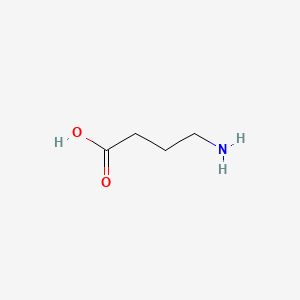
- Formula
- C4H9NO2
- Weight
- 103.12 Da
- PubChem CID
- 119
- Exact Mass
- 103.0633 Da
- LogP
- -3.2
- TPSA
- 63.3 Ų
- H-Bond Donors
- 2
- H-Bond Acceptors
- 3
- Rotatable Bonds
- 3
- Complexity
- 62
Identifiers (SMILES, InChI)
InChI=1S/C4H9NO2/c5-3-1-2-4(6)7/h1-3,5H2,(H,6,7)
BTCSSZJGUNDROE-UHFFFAOYSA-NReferences (6)
- [1]GABA and l-theanine mixture decreases sleep latency and improves NREM sleep
→ A combination of GABA and L-theanine significantly decreased sleep latency and improved non-rapid eye movement sleep quality in both normal rats and caffeine-induced awareness models.
- [2]United States Pharmacopeia (USP) Safety Review of Gamma-Aminobutyric Acid (GABA)
→ Clinical studies showed no serious adverse events with GABA at intakes up to 18g/day for 4 days and 120mg/day for 12 weeks, with only transient and moderate blood pressure decreases observed in some studies.
- [4]GABA Prevents Sarcopenia by Regulation of Muscle Protein Degradation and Inflammaging in 23- to 25-Month-Old Female Mice
→ GABA administration prevented age-related muscle loss in elderly mice by regulating muscle protein degradation and reducing inflammation associated with aging.
- [5]Prophylactic Supplementation with Lactobacillus Reuteri or Its Metabolite GABA Protects Against Acute Ischemic Cardiac Injury
→ Both Lactobacillus reuteri and its GABA metabolite provided protective effects against acute ischemic cardiac injury in animal models, suggesting cardiovascular benefits.
- [6]High-dose Vitamin B6 supplementation reduces anxiety and strengthens visual surround suppression
→ Vitamin B6 supplementation (which aids GABA synthesis) reduced self-reported anxiety and increased neural inhibition, supporting the role of GABA in anxiety management.
- [3]GABA Supplementation, Increased Heart-Rate Variability, Emotional Response, Sleep Efficiency and Reduced Depression in Sedentary Overweight Women Undergoing Physical Exercise
→ GABA supplementation in sedentary overweight women improved heart rate variability, emotional response, sleep efficiency, and reduced depression when combined with physical exercise.
Continue researching GABA (Gamma-Aminobutyric Acid)
Keep scientific evidence separate from commercial availability. Review how claims are evaluated, explore question-led research paths, or inspect disclosed source records without changing the editorial conclusions on this page.