Caffeine
Caffeine is a naturally occurring methylxanthine alkaloid found in coffee, tea, and cacao plants. It is the most widely consumed psychoactive substance in the world, primarily used for its stimulant effects on alertness and cognitive performance.
Evidence-led profile
Research snapshot
- Evidence stage
- Emerging research
- References
- 10 linked sources
- Research coverage
- 3 areas
- Editorial review
- Jul 7, 2026
Published by the PepGuide Editorial Team using our research methodology.
Overview
Caffeine (1,3,7-trimethylxanthine) is a methylxanthine alkaloid naturally present in over 60 plant species, including Coffea arabica (coffee), Camellia sinensis (tea), and Theobroma cacao (cocoa). Its primary mechanism of action involves competitive antagonism of adenosine receptors, particularly the A1 and A2A subtypes, which blocks the sleep-promoting effects of adenosine and increases neuronal firing, norepinephrine release, and dopaminergic signaling.
Caffeine is rapidly absorbed from the gastrointestinal tract, reaching peak plasma concentrations within 30 to 60 minutes of ingestion. It is metabolized primarily in the liver by the cytochrome P450 enzyme CYP1A2 into paraxanthine, theobromine, and theophylline. The half-life of caffeine varies considerably between individuals, typically ranging from 3 to 7 hours, and is influenced by genetics, age, liver function, and concurrent medications. Regular consumption leads to physiological tolerance, and abrupt cessation can produce withdrawal symptoms including headache, fatigue, and irritability.
Beyond its well-established cognitive and ergogenic effects, caffeine has been studied for its potential protective effects against Parkinson's disease, Alzheimer's disease, and certain cancers. It is also a common ingredient in analgesic formulations, where it enhances the efficacy of acetaminophen and aspirin. The U.S. Food and Drug Administration generally recognizes caffeine as safe (GRAS) at moderate intake levels of up to 400 mg per day for healthy adults.
Research
Reported Effects
Individual Variation:: Response to caffeine is highly individualized, with some users thriving on 3-5 cups daily while others experience severe anxiety from even small amounts. Tolerance Development:: Long-term daily users report diminishing returns and increased dependence, with many needing breaks to restore sensitivity and effectiveness. Dose-Response Relationship:: Low doses (100-200mg) appear effective for cognitive benefits with fewer side effects than higher doses, particularly when combined with L-theanine. Context-Dependent Benefits:: Effectiveness varies by use case—consistent benefits for endurance and high-intensity exercise, mixed results for strength training, and reliable improvements in cognitive tasks
Alertness and cognition
Caffeine is a methylxanthine that antagonizes adenosine A1 and A2A receptors, counteracting the sleep-promoting effects of adenosine to increase arousal, alertness and vigilance. Controlled human trials consistently show improvements in sustained attention, reaction time and subjective alertness, with the largest benefits when baseline alertness is low (e.g., sleep restriction, shift work). Effects on higher-order cognition and memory are smaller and more variable, and tolerance develops with habitual use.
- Adenosine receptor antagonism drives increased alertness
- Reliable improvements in reaction time and sustained attention
- Greatest benefit under sleep deprivation or low baseline alertness
Exercise performance
Caffeine is one of the most robustly supported ergogenic aids. Meta-analyses show moderate doses (3-6 mg/kg taken ~60 minutes before exercise) improve endurance performance (power output and time-trial times) and reduce perceived exertion, with additional evidence for muscular strength and power. The International Society of Sports Nutrition position stand endorses these effects. Individual response varies partly with CYP1A2 and ADORA2A genotype, and very high doses add side effects without further benefit.
- 3-6 mg/kg improves endurance power and time-trial performance
- Reduces rating of perceived exertion during exercise
- Response modified by genetics (CYP1A2, ADORA2A) and habituation
Safety and Limitations
Common Side Effects
- Insomnia and sleep disturbances, particularly when consumed within 6 hours of bedtime due to caffeine's average half-life of 3-7 hours (varies by individual metabolism)
- Anxiety, nervousness, jitteriness, and restlessness, especially at doses exceeding 200 mg or in caffeine-sensitive individuals
- Gastrointestinal effects including acid reflux, stomach irritation, nausea, and diarrhea; caffeine stimulates gastric acid secretion
- Increased heart rate (tachycardia) and palpitations
- Elevated blood pressure, typically transient (5-10 mmHg increase)
- Frequent urination due to mild diuretic effect
- Headache, both as a side effect of consumption and as a withdrawal symptom
Serious Adverse Effects
- Caffeine toxicity can occur at doses above 1,200 mg in a short period, with symptoms including seizures, cardiac arrhythmias, rhabdomyolysis, and in extreme cases, death. Lethal dose is estimated at 10-14 grams for adults
- Chronic high intake (>600 mg/day) is associated with chronic insomnia, anxiety disorders, gastrointestinal disorders, and potential bone density reduction
- Physical dependence develops with regular use; withdrawal symptoms (headache, fatigue, irritability, depressed mood, difficulty concentrating) begin 12-24 hours after last dose and peak at 20-51 hours
- Caffeine-induced anxiety disorder and caffeine-induced sleep disorder are recognized diagnoses in the DSM-5
Contraindications
- Individuals with uncontrolled anxiety disorders, panic disorder, or insomnia should limit or avoid caffeine
- Those with cardiac arrhythmias (particularly atrial fibrillation, SVT) or uncontrolled hypertension should restrict intake
- Individuals with gastroesophageal reflux disease (GERD) or active peptic ulcers
- Seizure disorders may be exacerbated by high caffeine intake
Drug Interactions
- CYP1A2 inhibitors (fluvoxamine, ciprofloxacin, oral contraceptives, cimetidine) significantly slow caffeine metabolism, increasing plasma levels and risk of toxicity
- May reduce the efficacy of sedative and anxiolytic medications (benzodiazepines, zolpidem)
- Additive effects with other stimulants (ephedrine, amphetamines, pseudoephedrine)
- May reduce absorption of iron and calcium supplements
- Lithium clearance is increased by caffeine; abrupt cessation can cause lithium toxicity
- Theophylline shares metabolic pathways; co-administration increases risk of toxicity for both compounds
Special Populations
- Pregnant women should limit intake to less than 200 mg daily (WHO/ACOG guidelines) due to associations with low birth weight and potential miscarriage risk
- Breastfeeding mothers should moderate intake, as caffeine passes into breast milk and may cause irritability in infants
- Children and adolescents should limit intake to 2.5 mg/kg body weight daily
- Elderly individuals may have slower caffeine metabolism and increased sensitivity to cardiovascular effects
Common Side Effects
- Anxiety and Jitters:: Commonly reported, particularly at higher doses or in sensitive individuals; often manifests as heart palpitations, racing thoughts, and social anxiety
- Sleep Disruption:: Even early-day consumption can reduce sleep quality, increase nighttime awakenings, and reduce deep sleep percentages, with effects lasting 6-12 hours depending on metabolism
- Dependency and Withdrawal:: Daily users report withdrawal symptoms (headaches, fatigue, brain fog) when stopping, with many feeling unable to function normally without caffeine
- Digestive Issues:: Acid reflux, stomach upset, and increased cortisol/stress response reported by subset of users, particularly on empty stomach or with high doses
Mechanism of Action
Adenosine Receptor Antagonism
Caffeine (1,3,7-trimethylxanthine) is a non-selective competitive antagonist at adenosine A1 and A2A receptors, the two subtypes most relevant to its psychostimulant and ergogenic effects. Adenosine accumulates extracellularly during wakefulness as a byproduct of ATP metabolism and neuronal activity, promoting sleep via A1-mediated inhibition of wake-promoting basal forebrain cholinergic neurons and A2A-mediated activation of sleep-promoting ventrolateral preoptic (VLPO) neurons. Caffeine blocks these receptors (Ki ~ 10-40 microM), preventing adenosine's somnogenic signaling and maintaining cortical arousal (PMID: 20164566).
Downstream Dopaminergic & cAMP Effects
A2A receptors form heteromeric complexes with dopamine D2 receptors in the striatum, where A2A activation allosterically reduces D2 receptor affinity for dopamine. Caffeine's A2A blockade disinhibits D2 signaling, enhancing dopaminergic neurotransmission in the nucleus accumbens and dorsal striatum — contributing to its reinforcing properties and psychomotor stimulation. Additionally, A1 receptor blockade prevents Gi-mediated inhibition of adenylyl cyclase, increasing cAMP levels and PKA-mediated phosphorylation of DARPP-32 and CREB in cortical and striatal neurons (PMID: 18088379).
Phosphodiesterase Inhibition & Calcium Mobilization
At higher concentrations (>100 microM), caffeine inhibits cyclic nucleotide phosphodiesterases (PDEs), prolonging cAMP and cGMP signaling. It also sensitizes ryanodine receptors (RyR) on the sarcoplasmic reticulum, enhancing calcium-induced calcium release in skeletal muscle. This increases peak force production and reduces the perception of effort during sustained contractions, contributing to its ergogenic effects in endurance and strength performance (PMID: 20378318).
Metabolic & Lipolytic Effects
Caffeine increases lipolysis through PKA-mediated phosphorylation of hormone-sensitive lipase (HSL) and perilipin in adipocytes, elevating circulating free fatty acids and glycerol. It also increases resting metabolic rate by 3-11% through sympathetic nervous system activation via central A1 blockade and peripheral catecholamine release (PMID: 7486839).
Pharmacokinetic Profile
- Half-life
- 5 h
- Tmax
- 0.75 h
Molecular Structure
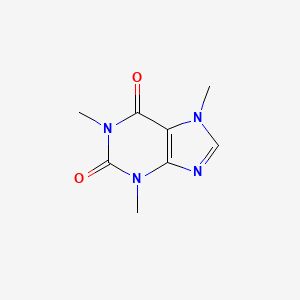
- Formula
- C8H10N4O2
- Weight
- 194.19 Da
- PubChem CID
- 2519
- Exact Mass
- 194.0804 Da
- LogP
- -0.1
- TPSA
- 58.4 Ų
- H-Bond Donors
- 0
- H-Bond Acceptors
- 3
- Rotatable Bonds
- 0
- Complexity
- 293
Identifiers (SMILES, InChI)
InChI=1S/C8H10N4O2/c1-10-4-9-6-5(10)7(13)12(3)8(14)11(6)2/h4H,1-3H3
RYYVLZVUVIJVGH-UHFFFAOYSA-NResearch Indications
Established Effects
Adenosine receptor antagonist that reliably increases alertness and reduces perceived fatigue.
Well-established ergogenic aid at 3-6 mg/kg, improving endurance and reducing perceived exertion.
Improves sustained attention and reaction time, especially when alertness is low.
Clinical / Other Uses
Caffeine citrate is standard, approved therapy for apnea of prematurity in neonates.
Enhances analgesic efficacy of paracetamol/NSAIDs and used in migraine formulations.
References (10)
- [1]Common questions and misconceptions about caffeine supplementation: what does the scientific evidence really show?
→ Comprehensive review addressing common questions about caffeine supplementation, examining scientific evidence for its effects on performance and clarifying misconceptions about optimal use, timing, and dosing strategies.
- [3]Caffeine and sport
→ Caffeine supplementation improves high-intensity endurance exercise, explosive efforts, resistance exercise, team sports and combat sports, though individual variation exists in ergogenic response; multiple ingestion forms are effective with capsules, water, or gum being optimal.
- [6]Caffeine Supplementation and Physical Performance, Muscle Damage and Perception of Fatigue in Soccer Players: A Systematic Review
→ Review examining caffeine's effects specifically in soccer players, finding benefits for physical performance and reduced perception of fatigue, with applications for team sport contexts.
- [2]Exercise and sport performance with low doses of caffeine
→ Low doses of caffeine (<3 mg/kg body mass, ~200mg) are ergogenic with few side effects, appearing to work through central nervous system alterations rather than peripheral mechanisms, improving vigilance, alertness, and cognitive processes during exercise.
- [4]Can caffeine improve your performance? Psychophysiological effects - A systematic review
→ Systematic review found 37.5% of studies showed favorable ergogenic effects, 50% found partial effects; caffeine supplementation shows potential benefits for psychophysiological performance though results are mixed.
- [5]Risk or benefit? Side effects of caffeine supplementation in sport: a systematic review
→ Systematic review of caffeine's side effects in sport contexts, examining the balance between performance benefits and potential adverse effects to determine optimal risk-benefit profiles for athletic supplementation.
- [7]Effects of Multi-Ingredient Pre-Workout Supplement and Caffeine on Bench Press Performance: A Single-Blind Cross-Over Study
→ Study comparing multi-ingredient pre-workout supplements containing caffeine versus caffeine alone on bench press performance, examining the effectiveness of combined versus isolated caffeine supplementation.
- [8]Creatine and Caffeine: Considerations for Concurrent Supplementation
→ Review examining potential interactions between creatine and caffeine supplementation, suggesting conflicting evidence that caffeine may blunt creatine's ergogenic effects, possibly through opposing effects on muscle relaxation time.
- [9]Owen GN, Parnell H, De Bruin EA, Rycroft JA The combined effects of L-theanine and caffeine on cognitive performance and mood Nutritional Neuroscience (2008)
→ In healthy volunteers, 50 mg caffeine improved alertness and reaction time versus placebo, with additional accuracy benefits when combined with L-theanine.
- [10]Southward K, Rutherfurd-Markwick KJ, Ali A The effect of acute caffeine ingestion on endurance performance: a systematic review and meta-analysis Sports Medicine (2018)
→ Across 46 studies, moderate-dose caffeine (3-6 mg/kg) produced small but consistent improvements in endurance power output (~3%) and time-trial completion (~2%).
Continue researching Caffeine
Keep scientific evidence separate from commercial availability. Review how claims are evaluated, explore question-led research paths, or inspect disclosed source records without changing the editorial conclusions on this page.