N-Acetyl Glucosamine
N-Acetyl Glucosamine research profile covering evidence quality, proposed mechanisms, safety considerations, regulatory status, and linked primary sources.
Evidence-led profile
Research snapshot
- Evidence stage
- Emerging research
- References
- 4 linked sources
- Research coverage
- 1 area
- Editorial review
- Mar 8, 2026
Published by the PepGuide Editorial Team using our research methodology.
Overview
N-Acetyl Glucosamine (NAG, GlcNAc) is an amino monosaccharide and the acetylated derivative of glucosamine, serving as a fundamental building block for several critical biological macromolecules. It is a primary component of chitin (the second most abundant biopolymer on Earth), hyaluronic acid, keratan sulfate, and heparan sulfate — glycosaminoglycans (GAGs) that form the structural matrix of cartilage, synovial fluid, skin, and mucosal surfaces. NAG also constitutes the core sugar of all N-linked glycoproteins and is a major component of the mucin glycoproteins that form the protective mucus barrier lining the gastrointestinal, respiratory, and urogenital tracts. Unlike glucosamine sulfate or hydrochloride, NAG enters the hexosamine biosynthetic pathway more directly, bypassing the rate-limiting GFAT (glutamine-fructose-6-phosphate amidotransferase) step.
The clinical applications of N-Acetyl Glucosamine span joint health, gastrointestinal repair, and dermatology. For osteoarthritis, NAG contributes to the biosynthesis of hyaluronic acid and proteoglycans in cartilage, and small clinical studies suggest improvements in pain and function, particularly when combined with chondroitin sulfate and MSM. In inflammatory bowel disease (IBD), NAG has demonstrated notable efficacy: a study in children with treatment-refractory Crohn's disease and ulcerative colitis showed significant clinical improvement with oral and rectal NAG administration, attributed to restoration of the deficient mucosal glycosaminoglycan layer and enhanced mucin production. This gut-barrier repair mechanism also supports its use in intestinal permeability ("leaky gut") protocols alongside glutamine, BPC-157, and colostrum.
In dermatology, N-Acetyl Glucosamine has gained attention for its skin-brightening and anti-aging properties. As a precursor to hyaluronic acid synthesis in dermal fibroblasts and keratinocytes, topical and oral NAG supplementation can improve skin hydration, reduce fine lines, and enhance skin barrier function. Clinical studies have demonstrated that NAG inhibits tyrosinase glycosylation, reducing melanin production and improving hyperpigmentation — particularly in combination with niacinamide. Typical oral doses range from 500–1,500 mg daily for joint and gut health, while topical formulations commonly contain 2–4% NAG. The compound is generally well tolerated, with occasional mild gastrointestinal effects. Individuals with shellfish allergies should note that some NAG is derived from crustacean chitin, though synthetic and fungal-derived sources are available.
Mechanism of Action
Hexosamine Biosynthetic Pathway
N-Acetyl Glucosamine (GlcNAc) is an amino monosaccharide that bypasses the rate-limiting step of the hexosamine biosynthetic pathway (HBP) — the conversion of fructose-6-phosphate to glucosamine-6-phosphate by glutamine:fructose-6-phosphate amidotransferase (GFAT). Exogenous GlcNAc is phosphorylated by GlcNAc kinase to GlcNAc-6-phosphate, then converted to GlcNAc-1-phosphate and ultimately UDP-GlcNAc by AGM1 and UAP1 enzymes. UDP-GlcNAc is the universal aminosugar donor for glycosylation reactions throughout the cell.
Glycosaminoglycan & Hyaluronic Acid Production
UDP-GlcNAc is the essential substrate for biosynthesis of all major glycosaminoglycans (GAGs): hyaluronic acid (GlcNAc + glucuronic acid repeats), chondroitin sulfate, heparan sulfate, and keratan sulfate. In articular chondrocytes, increased UDP-GlcNAc availability stimulates aggrecan and proteoglycan synthesis, maintaining the water-binding capacity and compressive resilience of cartilage matrix. In synoviocytes and dermal fibroblasts, GlcNAc supplementation upregulates hyaluronan synthase 2 (HAS2) activity, increasing synovial fluid hyaluronic acid concentration for joint lubrication and skin hyaluronic acid for hydration and elasticity.
Anti-Inflammatory O-GlcNAcylation
Elevated UDP-GlcNAc increases O-GlcNAc transferase (OGT)-mediated post-translational modification of cytoplasmic and nuclear proteins. O-GlcNAcylation of NF-kB p65 subunit at specific serine/threonine residues competes with phosphorylation, attenuating NF-kB transcriptional activity and reducing expression of pro-inflammatory genes including TNF-alpha, IL-1beta, COX-2, and MMPs. This mechanism provides a nutrient-sensitive anti-inflammatory feedback loop (PMID: 22262472).
Clinical Applications in Osteoarthritis
In osteoarthritis, GlcNAc supplementation addresses both the structural deficit (reduced GAG synthesis due to chondrocyte metabolic dysfunction) and the inflammatory component (NF-kB-driven cytokine and MMP production). Clinical studies demonstrate improvements in joint pain and function scores, particularly in combination with chondroitin sulfate. Unlike glucosamine sulfate or hydrochloride, N-Acetyl Glucosamine does not require deacetylation before entering the HBP, potentially offering more direct substrate delivery.
Dermatological Applications
Topical and oral GlcNAc stimulates hyaluronic acid and GAG production in dermal fibroblasts and keratinocytes. It also inhibits tyrosinase glycosylation, reducing melanin production and improving hyperpigmentation. These combined effects support skin hydration, barrier function, and even skin tone.
Research
Reported Effects
Anxiety Treatment:: Highly effective for generalized anxiety disorder with fast-acting relief (2 hours) and day-long duration, considered remarkably powerful by long-term users. IBD Management:: 88.1% of patients reported symptom improvement with significant reductions in abdominal pain (49%), diarrhea (47%), and other inflammatory symptoms. Joint Health:: Effective for cartilage metabolism and joint pain relief, particularly when combined with other joint health supplements in comprehensive stacks. No Tolerance Development:: Unlike many anxiolytics, users consistently report maintained effectiveness over years of daily use without requiring dose increases
- Highly effective for generalized anxiety disorder with fast-acting relief (2 hours) and day-long duration, considered remarkably powerful by long-term users
- 88.1% of patients reported symptom improvement with significant reductions in abdominal pain (49%), diarrhea (47%), and other inflammatory symptoms
- Effective for cartilage metabolism and joint pain relief, particularly when combined with other joint health supplements in comprehensive stacks
- Unlike many anxiolytics, users consistently report maintained effectiveness over years of daily use without requiring dose increases
Safety and Limitations
Generally well-tolerated, N-Acetyl Glucosamine may cause mild gastrointestinal side effects like bloating or nausea. It is contraindicated for individuals taking the blood-thinner warfarin due to an increased risk of bleeding. Caution is advised for those with shellfish allergies, asthma, or diabetes, and it should be avoided during pregnancy and breastfeeding.
Common Side Effects
- Minimal Side Effects:: Users report NAG as very well-tolerated with no significant adverse effects even with long-term daily use
- No Withdrawal:: Unlike many anxiety treatments, stopping NAG produces no withdrawal symptoms or rebound anxiety
- No Addiction Potential:: Non-addictive properties make it safer for long-term anxiety management compared to benzodiazepines or other anxiolytics
- Generally Safe Profile:: No concerning interactions or contraindications reported in user experiences or clinical trials
Research protocol summary
- Typical Dose
- 700mg capsules taken 1-2 times daily, with effects typically noticeable within 2 hours of first dose
These values summarize cataloged research protocols. They are not personal dosing instructions or medical guidance.
Reconstitution Calculator
Pharmacokinetic Profile
Molecular Structure
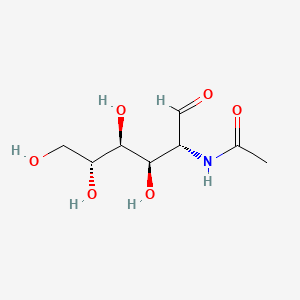
- Formula
- C8H15NO6
- Weight
- 221.21 Da
- PubChem CID
- 1738118
- Exact Mass
- 221.0899 Da
- LogP
- -3.4
- TPSA
- 127 Ų
- H-Bond Donors
- 5
- H-Bond Acceptors
- 6
- Rotatable Bonds
- 6
- Complexity
- 221
Identifiers (SMILES, InChI)
InChI=1S/C8H15NO6/c1-4(12)9-5(2-10)7(14)8(15)6(13)3-11/h2,5-8,11,13-15H,3H2,1H3,(H,9,12)/t5-,6+,7+,8+/m0/s1
MBLBDJOUHNCFQT-LXGUWJNJSA-NReferences (4)
- [4]Repurposing of high-dose N-acetylcysteine as anti-inflammatory, antioxidant and neuroprotective agent in moderate to severe traumatic brain injury patients
→ High-dose NAC significantly decreased inflammatory markers (IL-6), oxidative stress markers (MDA), and neuronal damage markers (NSE, S100B) in traumatic brain injury patients, demonstrating potent anti-inflammatory and neuroprotective effects.
- [2]Evaluation of the effect of N-acetyl-glucosamine administration on biomarkers for cartilage metabolism in healthy individuals without symptoms of arthritis
→ A randomized double-blind placebo-controlled trial showed NAG positively affected cartilage metabolism biomarkers in healthy individuals, suggesting preventive benefits for joint health before arthritis symptoms develop.
- [1]N-acetylglucosamine inhibits inflammation and neurodegeneration markers in multiple sclerosis: a mechanistic trial
→ NAG administration significantly reduced inflammatory markers (IL-6) and neurodegeneration markers (NSE, S100B) in multiple sclerosis patients, demonstrating its anti-inflammatory and neuroprotective effects in neurological disorders.
- [3]N-Acetylglucosamine for Treatment of Inflammatory Bowel Disease
→ In a pragmatic clinical trial of 34 IBD patients, 88% reported symptom improvement with 6g daily NAG, including 49% reduction in abdominal pain and 47% reduction in diarrhea, with excellent tolerability and no tolerance build-up.
Continue researching N-Acetyl Glucosamine
Keep scientific evidence separate from commercial availability. Review how claims are evaluated, explore question-led research paths, or inspect disclosed source records without changing the editorial conclusions on this page.