Sulforaphane
Sulforaphane research profile covering evidence quality, proposed mechanisms, safety considerations, regulatory status, and linked primary sources.
Evidence-led profile
Research snapshot
- Evidence stage
- Emerging research
- References
- 4 linked sources
- Research coverage
- 1 area
- Editorial review
- Mar 8, 2026
Published by the PepGuide Editorial Team using our research methodology.
Overview
Sulforaphane (SFN) is an isothiocyanate produced from the hydrolysis of glucoraphanin — a glucosinolate abundant in cruciferous vegetables — by the enzyme myrosinase, which is released when plant cells are damaged through chewing, chopping, or processing. Broccoli sprouts contain 20-100 times more glucoraphanin than mature broccoli, making them the richest practical dietary source. Sulforaphane's primary mechanism of action is activation of the Nrf2 (nuclear factor erythroid 2-related factor 2) transcription factor by modifying cysteine residues on its cytoplasmic inhibitor Keap1. Once liberated, Nrf2 translocates to the nucleus and induces transcription of over 200 cytoprotective genes — including glutathione S-transferases, NAD(P)H quinone oxidoreductase 1 (NQO1), heme oxygenase-1, and thioredoxin reductase — collectively constituting the most potent endogenous antioxidant and detoxification defense system.
The anticancer properties of sulforaphane are supported by extensive preclinical evidence and growing clinical data. SFN inhibits phase I cytochrome P450 enzymes that bioactivate procarcinogens while simultaneously inducing phase II detoxification enzymes that conjugate and eliminate carcinogenic metabolites, producing a net anticarcinogenic shift in xenobiotic metabolism. Beyond detoxification, SFN directly targets multiple cancer hallmarks: it induces apoptosis through mitochondrial and death receptor pathways, arrests cell cycle progression (G2/M phase), inhibits histone deacetylases (HDACs) — functioning as a dietary HDAC inhibitor with epigenetic anticancer activity — suppresses NF-κB-mediated inflammation, inhibits angiogenesis, and targets cancer stem cells. Clinical trials have demonstrated that broccoli sprout extracts reduce prostate-specific antigen (PSA) doubling rates in prostate cancer patients and modulate breast cancer biomarkers.
Sulforaphane's anti-inflammatory and neuroprotective effects extend its relevance beyond oncology. It reduces neuroinflammation, protects against oxidative damage in models of Alzheimer's and Parkinson's disease, and has shown clinical benefit in autism spectrum disorder — a landmark randomized controlled trial demonstrated significant improvements in social interaction, communication, and behavioral measures with sulforaphane supplementation. Additional clinical applications include improvement in type 2 diabetes (reducing fasting glucose and HbA1c through Nrf2-mediated enhancement of hepatic glucose regulation), H. pylori infection (sulforaphane is bactericidal against the gastric pathogen), and environmental detoxification (accelerating excretion of airborne pollutants including benzene and acrolein). Supplemental doses typically provide 30-60 mg of sulforaphane or equivalent glucoraphanin with myrosinase. SFN synergizes with other Nrf2 activators like curcumin and resveratrol, and with DIM (diindolylmethane), another cruciferous-derived compound with complementary indole-based mechanisms.
Mechanism of Action
Sulforaphane is an isothiocyanate produced from the hydrolysis of glucoraphanin by the enzyme myrosinase when cruciferous vegetables (particularly broccoli sprouts) are chewed or processed. Its primary mechanism involves activation of the Nrf2 (nuclear factor erythroid 2-related factor 2) transcription factor pathway. Under normal conditions, Nrf2 is sequestered in the cytoplasm by Keap1, which targets it for ubiquitin-mediated proteasomal degradation. Sulforaphane's electrophilic isothiocyanate group reacts with specific cysteine residues (particularly Cys151) on Keap1, causing a conformational change that releases Nrf2. Free Nrf2 then translocates to the nucleus, binds antioxidant response elements (AREs), and drives transcription of over 200 cytoprotective genes including glutathione S-transferases, NAD(P)H:quinone oxidoreductase 1 (NQO1), heme oxygenase-1 (HO-1), and glutamate-cysteine ligase.
Sulforaphane also acts as a potent histone deacetylase (HDAC) inhibitor, particularly targeting HDAC1, HDAC2, HDAC3, and HDAC6. By inhibiting HDACs, it increases histone acetylation and opens chromatin structure, enabling expression of tumor suppressor genes and pro-apoptotic factors that are often silenced in cancer cells. This epigenetic mechanism complements its Nrf2 activity and underlies much of its chemopreventive potential. Sulforaphane metabolites (sulforaphane-cysteine and sulforaphane-N-acetylcysteine) generated through the mercapturic acid pathway are the active HDAC inhibitors.
Additionally, sulforaphane suppresses NF-kB signaling by inhibiting IKK-beta phosphorylation and IkB-alpha degradation, reducing inflammatory cytokine production. It inhibits the NLRP3 inflammasome assembly, attenuates TLR4 signaling, and induces apoptosis in transformed cells through mitochondrial pathways. Phase II enzyme induction by sulforaphane accelerates detoxification and elimination of carcinogens, forming the basis of its well-documented chemopreventive activity.
Research
Reported Effects
Individual Variation:: Effectiveness appears highly dependent on individual genetics, particularly GSTM1 polymorphisms and baseline detoxification capacity. Source Quality Matters:: Broccoli sprout extracts with standardized glucoraphanin content show more consistent results than whole food sources. Timing and Context:: Benefits may take several weeks to manifest and appear more pronounced in individuals with existing oxidative stress or inflammation. Mixed Clinical Evidence:: While mechanistic studies are strong, user experiences vary from highly beneficial to minimal noticeable effects
- Effectiveness appears highly dependent on individual genetics, particularly GSTM1 polymorphisms and baseline detoxification capacity
- Broccoli sprout extracts with standardized glucoraphanin content show more consistent results than whole food sources
- Benefits may take several weeks to manifest and appear more pronounced in individuals with existing oxidative stress or inflammation
- While mechanistic studies are strong, user experiences vary from highly beneficial to minimal noticeable effects
Safety and Limitations
Safety Profile: Sulforaphane
Common Side Effects
- Gastrointestinal symptoms: bloating, gas, diarrhea, and abdominal discomfort (most common, especially at higher doses)
- Mild heartburn and acid reflux (particularly from broccoli sprout preparations)
- Unpleasant sulfurous taste and belching
- Mild headache
- Insomnia (some users report energizing effects)
Serious Adverse Effects
- Thyroid function: Sulforaphane is derived from cruciferous vegetables; high-dose supplementation may impair iodine uptake by the thyroid (goitrogenic effect), particularly in iodine-deficient individuals
- Rare allergic reactions to cruciferous vegetable sources
- Theoretical hepatotoxicity at extremely high doses (paradoxical, as moderate doses are hepatoprotective via Nrf2 activation)
- May transiently elevate liver enzymes during phase II detoxification enzyme induction
Contraindications
- Known allergy to cruciferous vegetables (broccoli, cabbage, kale, cauliflower)
- Hypothyroidism with inadequate iodine intake (goitrogenic risk)
- Active thyroid disease without physician monitoring
- Pregnancy (limited supplemental safety data; dietary cruciferous intake is safe)
Drug Interactions
- CYP1A2 substrates (theophylline, clozapine, caffeine): Sulforaphane induces CYP1A2, potentially reducing drug levels
- CYP3A4 substrates: Mixed effects; may induce or inhibit depending on dose and duration
- Acetaminophen: Sulforaphane upregulates glutathione conjugation, potentially enhancing acetaminophen clearance
- Immunosuppressants: Nrf2 activation has immunomodulatory effects that could theoretically interfere
- Chemotherapy: Complex interaction—may protect normal cells (beneficial) or tumor cells (harmful); consult oncologist
Population-Specific Considerations
- Cancer prevention: Most studied application; optimal doses appear to be 30–60 mg sulforaphane/day or equivalent from broccoli sprout extract
- Autism spectrum disorder: Clinical trials (small) have shown behavioral improvement; further research ongoing
- Diabetics: May improve insulin sensitivity and reduce fasting glucose; monitor accordingly
- Bioavailability: Myrosinase enzyme is needed to convert glucoraphanin to sulforaphane; supplement formulations vary significantly in active compound delivery
- Dietary context: Cooking destroys myrosinase; raw or lightly steamed broccoli sprouts provide the most sulforaphane
Common Side Effects
- Digestive Issues:: Gas, bloating, and digestive discomfort are commonly reported, particularly at higher doses or with cruciferous vegetable consumption
- Headaches:: Some users experience headaches, potentially related to detoxification processes or individual sensitivity
- Thyroid Concerns:: Reports of potential thyroid interference with high doses, particularly in individuals with pre-existing thyroid conditions
- Skin Reactions:: Occasional reports of skin issues or rashes, possibly related to detoxification effects or allergic responses
Research protocol summary
- Typical Dose
- Common doses range from 30-100mg of sulforaphane or 400-600mg of glucoraphanin from broccoli sprout extract
These values summarize cataloged research protocols. They are not personal dosing instructions or medical guidance.
Reconstitution Calculator
Pharmacokinetic Profile
Sulforaphane — Pharmacokinetic Curve
SubcutaneousMolecular Structure
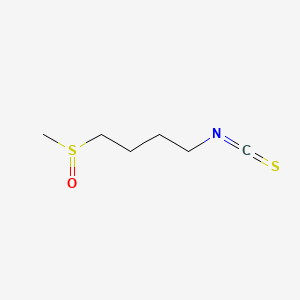
- Formula
- C6H11NOS2
- Weight
- 177.3 Da
- PubChem CID
- 5350
- Exact Mass
- 177.0282 Da
- LogP
- 1.4
- TPSA
- 80.7 Ų
- H-Bond Donors
- 0
- H-Bond Acceptors
- 4
- Rotatable Bonds
- 5
- Complexity
- 152
Identifiers (SMILES, InChI)
InChI=1S/C6H11NOS2/c1-10(8)5-3-2-4-7-6-9/h2-5H2,1H3
SUVMJBTUFCVSAD-UHFFFAOYSA-NReferences (4)
- [2]Sulforaphane and Brain Health: From Pathways of Action to Effects on Specific Disorders
→ Reviews sulforaphane's neuroprotective effects on brain health, focusing on its mechanisms for maintaining mitochondrial function and energy production in neurons, which have high energy demands and mitochondrial density.
- [3]Sulforaphane: Its Coming of Age as a Clinically Relevant Nutraceutical in the Prevention and Treatment of Chronic Disease
→ Examines how phytochemicals like sulforaphane influence upstream endogenous cellular defense processes, with focus on maintaining bioactive compounds close to their native state for optimal gene expression and therapeutic potential.
- [4]The neuroprotective mechanisms and effects of sulforaphane
→ Details sulforaphane's neuroprotective properties through potent activation of the Nrf2-ARE antioxidant response pathway, demonstrating protective effects against multiple types of diseases including cancer and neurological conditions.
- [1]Sulforaphane as a potential therapeutic agent: a comprehensive analysis of clinical trials and mechanistic insights
→ Comprehensive review of SFN's therapeutic potential across diverse disease categories, highlighting its effects through the Keap1/Nrf2 axis regulating phase II detoxification enzymes and epigenetic mechanisms including histone deacetylase inhibition.
Continue researching Sulforaphane
Keep scientific evidence separate from commercial availability. Review how claims are evaluated, explore question-led research paths, or inspect disclosed source records without changing the editorial conclusions on this page.