ZINC PICOLINATE
ZINC PICOLINATE research profile covering evidence quality, proposed mechanisms, safety considerations, regulatory status, and linked primary sources.
Evidence-led profile
Research snapshot
- Evidence stage
- Emerging research
- References
- 4 linked sources
- Research coverage
- 1 area
- Editorial review
- Jul 7, 2026
Published by the PepGuide Editorial Team using our research methodology.
Zinc picolinate is a chelated form of zinc where the mineral is bound to picolinic acid, which enhances its absorption and bioavailability compared to other zinc forms. Zinc is an essential trace mineral critical for immune function, testosterone production, wound healing, DNA synthesis, and serves as a cofactor for over 300 enzymes. It's commonly used to support immune health, increase testosterone levels, improve skin conditions, and address zinc deficiency.
Research
Reported Effects
Individual Response Variation:: Effectiveness appears highly dependent on baseline zinc status, with deficient individuals seeing dramatic improvements while those with adequate levels may see minimal benefits. Absorption Superiority:: Users and research suggest zinc picolinate has better absorption than zinc sulfate or gluconate, making it a preferred form despite typically higher cost. Timing Matters:: Several users report better results when taken on an empty stomach or separated from meals high in phytic acid (grains, legumes) which can inhibit zinc absorption. Copper Balance Critical:: The most commonly cited concern is that high-dose zinc supplementation can deplete copper, with users experiencing side effects when this ratio becomes imbalanced
- Effectiveness appears highly dependent on baseline zinc status, with deficient individuals seeing dramatic improvements while those with adequate levels may see minimal benefits
- Users and research suggest zinc picolinate has better absorption than zinc sulfate or gluconate, making it a preferred form despite typically higher cost
- Several users report better results when taken on an empty stomach or separated from meals high in phytic acid (grains, legumes) which can inhibit zinc absorption
- The most commonly cited concern is that high-dose zinc supplementation can deplete copper, with users experiencing side effects when this ratio becomes imbalanced
Safety and Limitations
Safety Profile: Zinc Picolinate
Common Side Effects
- Nausea and stomach upset (especially when taken on an empty stomach)
- Metallic taste
- Headache
- Diarrhea or constipation
- Decreased appetite at higher doses
Serious Adverse Effects
- Copper deficiency: The most important chronic risk; zinc competes with copper for absorption; prolonged intake above 40 mg/day elemental zinc without copper supplementation can cause sideroblastic anemia, neutropenia, and myeloneuropathy
- Immune suppression: Paradoxically, chronic high-dose zinc impairs immune function (opposite of moderate-dose benefit)
- Prostate cancer concern: one study (NIH/AARP) associated high-dose zinc supplementation (>100 mg/day) with increased prostate cancer risk; relevance at moderate doses uncertain
- GI erosion with very high doses
- Rare allergic reactions
Contraindications
- Known hypersensitivity to zinc picolinate or picolinic acid
- Pre-existing copper deficiency
- Wilson's disease (altered copper-zinc metabolism)
- Severe renal impairment
- Already consuming high-dose zinc from other sources
Drug Interactions
- Quinolone antibiotics (ciprofloxacin, levofloxacin): Chelation reduces absorption by 50% or more; separate by 2+ hours
- Tetracyclines: Same chelation concern; strict separation needed
- Penicillamine: Mutual absorption reduction
- Iron supplements: Competitive absorption; alternate timing
- Thiazide and loop diuretics: Increase zinc excretion; may necessitate supplementation but also require copper monitoring
- ACE inhibitors (captopril, enalapril): May increase urinary zinc loss
Population-Specific Considerations
- Bioavailability: Zinc picolinate is one of the better-absorbed zinc forms; comparative studies suggest superior absorption vs. zinc oxide and zinc gluconate
- Common cold: Evidence supports modest reduction in cold duration at 75+ mg/day zinc (lozenges, not picolinate specifically); picolinate form used for general supplementation
- Immune health: 15–30 mg/day elemental zinc is generally optimal; higher doses risk immune suppression
- Pregnancy: Zinc is essential; 11 mg/day recommended; picolinate form specifically not well studied in pregnancy
- Vegetarians/vegans: Higher zinc needs due to phytate interference; picolinate form may help overcome absorption challenges
- Copper co-supplementation: Standard recommendation for zinc doses >25 mg/day: add 1–2 mg copper daily
Common Side Effects
- Copper Deficiency:: The most serious concern reported, with symptoms including fatigue, depression, joint pain, pale skin, muscle stiffness, and bruising when taking 50mg+ daily without copper supplementation for extended periods
- Gastrointestinal Issues:: Some users report nausea, stomach discomfort, or digestive upset, particularly when taken on an empty stomach or at higher doses
- Reduced Efficacy with Copper:: Multiple users report that adding copper supplementation (to prevent deficiency) actually reduced the positive effects on hair and libido they experienced from zinc alone
- Histamine Issues:: A few users report developing histamine intolerance when combining NAC with excessive zinc, which resolved when reducing zinc intake
Research protocol summary
- Typical Dose
- Most users take 15-30mg elemental zinc daily, with 22-25mg being the most commonly reported effective dose for general health and testosterone support
These values summarize cataloged research protocols. They are not personal dosing instructions or medical guidance.
Reconstitution Calculator
Pharmacokinetic Profile
Molecular Structure
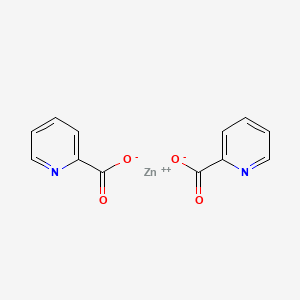
- Formula
- C12H8N2O4Zn
- Weight
- 309.6 Da
- PubChem CID
- 9904746
- Exact Mass
- 307.9775 Da
- TPSA
- 106 Ų
- H-Bond Donors
- 0
- H-Bond Acceptors
- 6
- Rotatable Bonds
- 0
- Complexity
- 108
Identifiers (SMILES, InChI)
InChI=1S/2C6H5NO2.Zn/c2*8-6(9)5-3-1-2-4-7-5;/h2*1-4H,(H,8,9);/q;;+2/p-2
NHVUUBRKFZWXRN-UHFFFAOYSA-LReferences (4)
- [1]Antioxidant effect of zinc picolinate in patients with chronic obstructive pulmonary disease
→ 8-week supplementation with 22mg zinc picolinate daily reduced oxidative stress markers (MDA) and improved antioxidant enzyme activity (SOD, CAT) in COPD patients, though pulmonary function tests showed no significant change.
- [2]Zinc picolinate in the prevention of leiomyoma in Japanese quail
→ Zinc picolinate supplementation (30-60mg/kg diet) reduced tumor size and decreased oxidative stress markers (MDA, 8-isoprostane, HAE) and DNA damage (8-OHdG) in Japanese quail, though it did not affect tumor incidence.
- [3]Effects of magnesium picolinate, zinc picolinate, and selenomethionine co-supplementation on reproductive hormones, and glucose and lipid metabolism-related protein expressions in male rats fed a high-fat diet
→ Combined supplementation with zinc picolinate and other minerals improved testosterone levels, reduced body weight and visceral fat, and improved glucose and lipid metabolism markers in rats fed a high-fat diet.
- [4]Effect of different concentrations of various zinc complexes (picolinate, citrate, 8-hydroxyquinolate) in comparison with sulfate on zinc supply status in rats
→ Study comparing zinc forms found that zinc picolinate performed similarly to other forms in improving zinc status and tissue levels in deficient rats, with absorption dependent on dietary zinc level rather than the specific compound form.
Continue researching ZINC PICOLINATE
Keep scientific evidence separate from commercial availability. Review how claims are evaluated, explore question-led research paths, or inspect disclosed source records without changing the editorial conclusions on this page.